
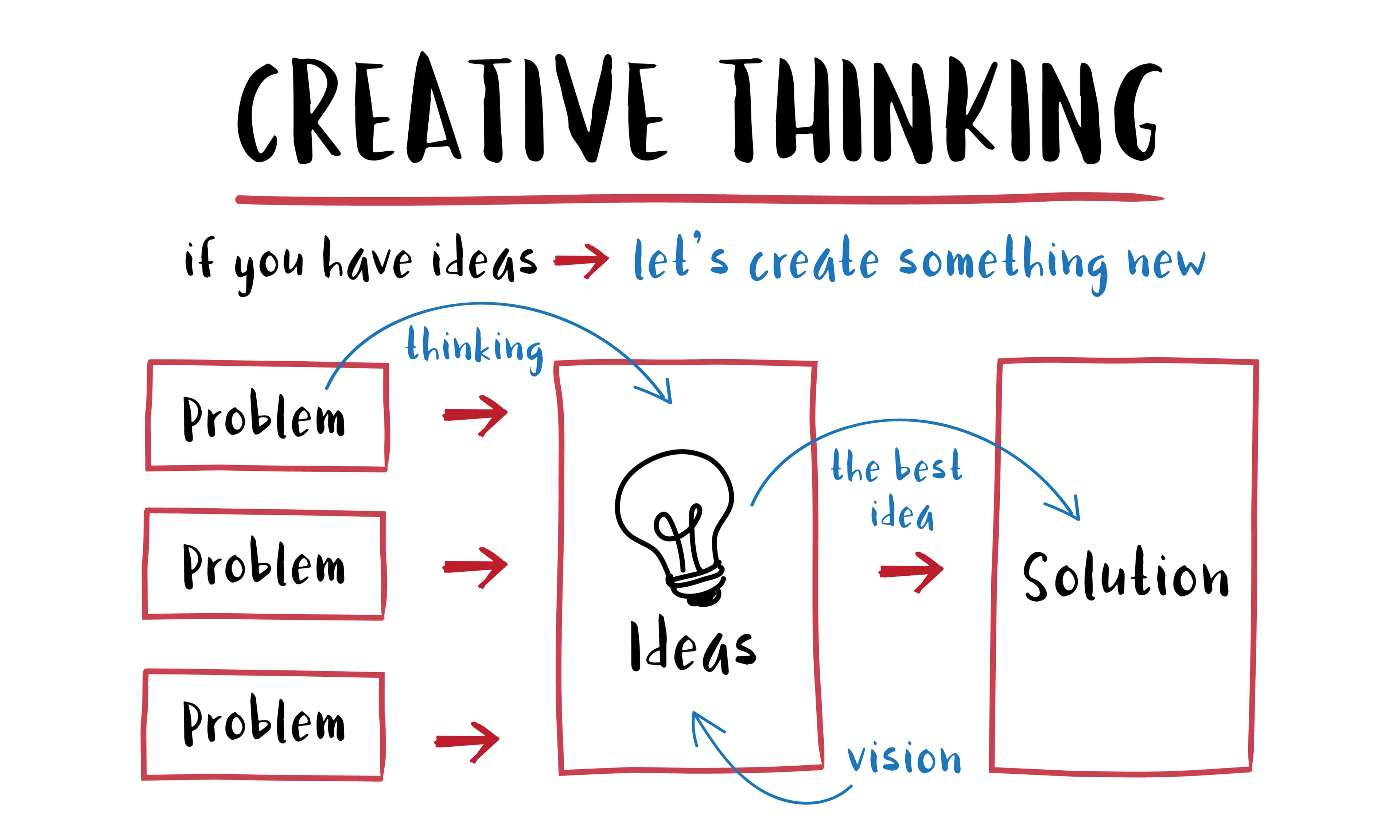

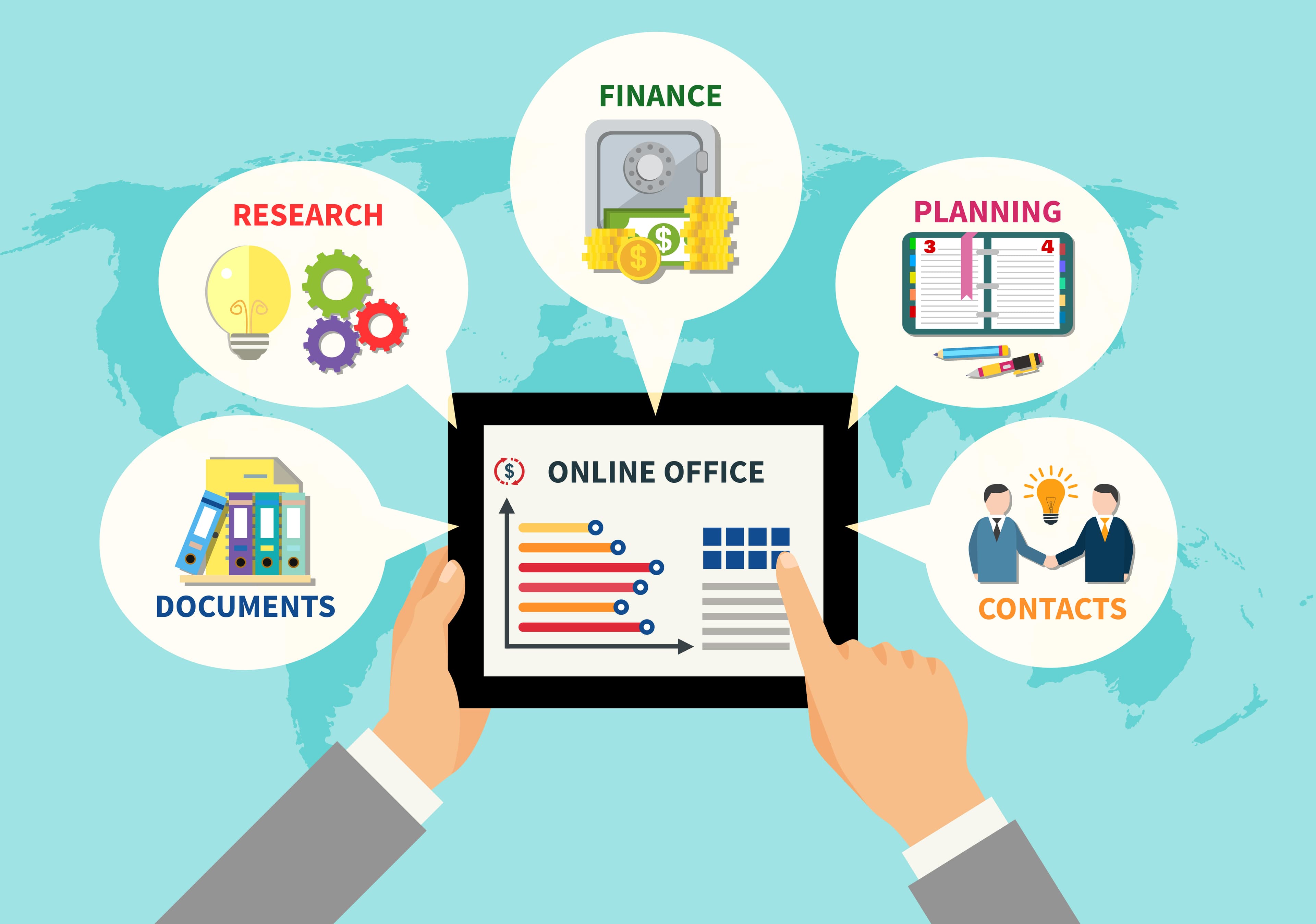
You can make money on the net with a blog, an online course, or another internet marketing offer. Persistence matters. A connection to a clear audience matters more than a special credential.
You still have to sell something people will pay for. Target people who already want what you offer. If they will not pay, traffic alone will not turn into income. For a broader starting map, see how to make money online where to start. If you want a fuller operating plan, pair this with how to make money online: a practical blueprint.
Internet marketing is often sold as passive income. It can also pay as active work: paid ads, paid-for press, and joint ventures. Treat it as a set of online channels you choose on purpose, not as a shortcut that runs itself.
What internet marketing is
Internet marketing uses the internet as the main way you talk to buyers. You create a blog, an online course, or other content that lives online first.
Treat the internet as a network you can target, not as TV or print. Once you see that, the rest of the work is choosing a channel and matching it to an offer people will buy. Channel choice without an offer is just publishing into the void.
A useful mental model:
Who already wants this?
What will they pay for, in plain language?
Where do they already look, click, or search?
What proof or sample reduces risk for them?
Answer those before you buy ads or open a fifth social account.
Ways to make money on the net
You do not need every channel. Research the options below, then pick the one that fits what you sell. Spreading thin across five weak tests usually teaches less than one clean test you can measure.
Build a blog or other content
A blog is a common base. Pair it with an offer. Content alone does not pay unless someone is willing to buy.
Use the blog to answer real questions, then point readers to a product, service, course, or consulting call that solves the same problem. Visibility without a next step is a hobby. Visibility with a matching offer is a business. If your goal is search-led growth later, how to grow traffic and make money online covers how SEO and relevant offers work together.
Practical checklist for a blog-plus-offer setup:
One primary audience, not “everyone online”
One problem you can solve repeatedly
Posts that answer that problem’s questions
A clear offer on every important page
A simple way to buy or book next steps
Skip thin posts that only repeat the same pitch. Readers notice when the page exists to fill space rather than to help.
Develop or sell an online course
Online education is growing for students and professionals. Courses and classes now show up on Facebook, YouTube, and Instagram.
Topics can be practical (cook, repair) or self-improvement. If you need help choosing, many training providers will help you pick a platform and a course. Use that if you are building a course or taking one to gain a skill you can sell.
A course works best when:
The outcome is specific (“ship a landing page,” “set up a client onboarding checklist”)
You can show a sample lesson or outline before payment
You already help people with the topic one-to-one, even informally
A course is a weak first move if you have never delivered the result for anyone. In that case, sell a smaller service or a short workshop first, then package what worked.
Use paid ads or free social reach
Paid ads are the main paid channel on the internet. Research a few options before you spend.
Facebook and Instagram ads can send traffic to your site and bring sales from people who see the ads. Skip placements that do not match your product or your audience. An ad that reaches the wrong people burns budget even when the creative looks polished.
Paid ads are not the only option. Facebook and Twitter (X) also support free reach. Free posts cost time: writing, posting, replies, and consistency. Paid ads cost money and still need a clear offer landing page. Neither path fixes a weak product.
Small businesses and marketers use these channels to get in front of a large audience quickly. That only helps if the channel fits your offer. Pick the one your buyers already use. For channel planning beyond ads alone, see how to market your business with social media services and a practical online marketing plan for small business.
Quick comparison:
Paid ads: faster tests, clearer spend, need budget and a conversion path
Free social: slower, relationship-heavy, need consistent posting and replies
Blog or SEO content: slower ramp, compounding if the offer matches search intent
Choose one primary path for the next stretch of work. Add a second channel only after the first produces usable signals (clicks, replies, sales conversations, or refunds that teach you something).
Look at independent online businesses
Many independent businesses online are easy to miss. Some need investment before the public will buy: tools, inventory, software, or time you cannot reclaim.
A few are worth a closer look if they match your niche and you can afford the outlay. Do not treat every hidden offer as a shortcut. Ask:
What must I spend before the first sale?
What skill do I bring that reduces that risk?
Can I test demand with a smaller version first?
If you want paths that lean on time and skills before capital, read how to earn money online without investment. Skill-first offers are usually easier to reverse if the market says no.
If money feels tight, stay careful
Some people look for a lender when setup costs feel out of reach. Keep this brief and practical: borrowing does not create demand. It only moves cash earlier.
If you are weighing outside funding of any kind, talk with providers you trust about terms and conditions, and only after you can describe the offer and who might buy it. Providers differ. You do not have to decide everything at once.
Prefer this order when you can:
Prove someone will pay with a small skill-based offer
Reinvest from sales into the next tool or ad test
Consider larger outlays only when the offer already has buyers
Steering toward skills and offers first reduces the chance you fund a vague idea. This is not financial advice; it is a sequence that keeps the product question ahead of the funding question.
Pick one path and persist
Research the options. Choose the one that matches your offer and the people who will pay for it.
Start with one path: a blog with an offer, a course, paid ads, or free posts on Facebook or Twitter. Keep going long enough to see if buyers show up. “Long enough” means enough attempts to learn something concrete, not endless activity with no review.
A simple persistence loop:
Ship one offer in one channel
Talk to people who clicked, asked, or ignored you
Note what they said about price, clarity, and fit
Adjust the offer or the message
Repeat before you jump to a new platform
If buyers will not pay, change the offer, not just the channel. New traffic on a weak offer is expensive theater. Clearer packaging, a smaller first purchase, or a different outcome can matter more than a new ad account.
When results feel muddy, use simple tracking: which post or ad brought the visit, which page they landed on, and whether they asked a real buying question. Increase digital marketing success with data is a useful companion when you are ready to read those signals without guessing. If you outgrow DIY and need outside help, how to find the best digital marketing agency covers what to compare before you hire.
Closing takeaway
Making money on the net is not a mystery credential. It is an offer people pay for, a channel those people already use, and enough persistence to learn from the first quiet weeks. Pick one path, test whether buyers show up, and change the offer when they will not. Everything else is optional until that core works.