
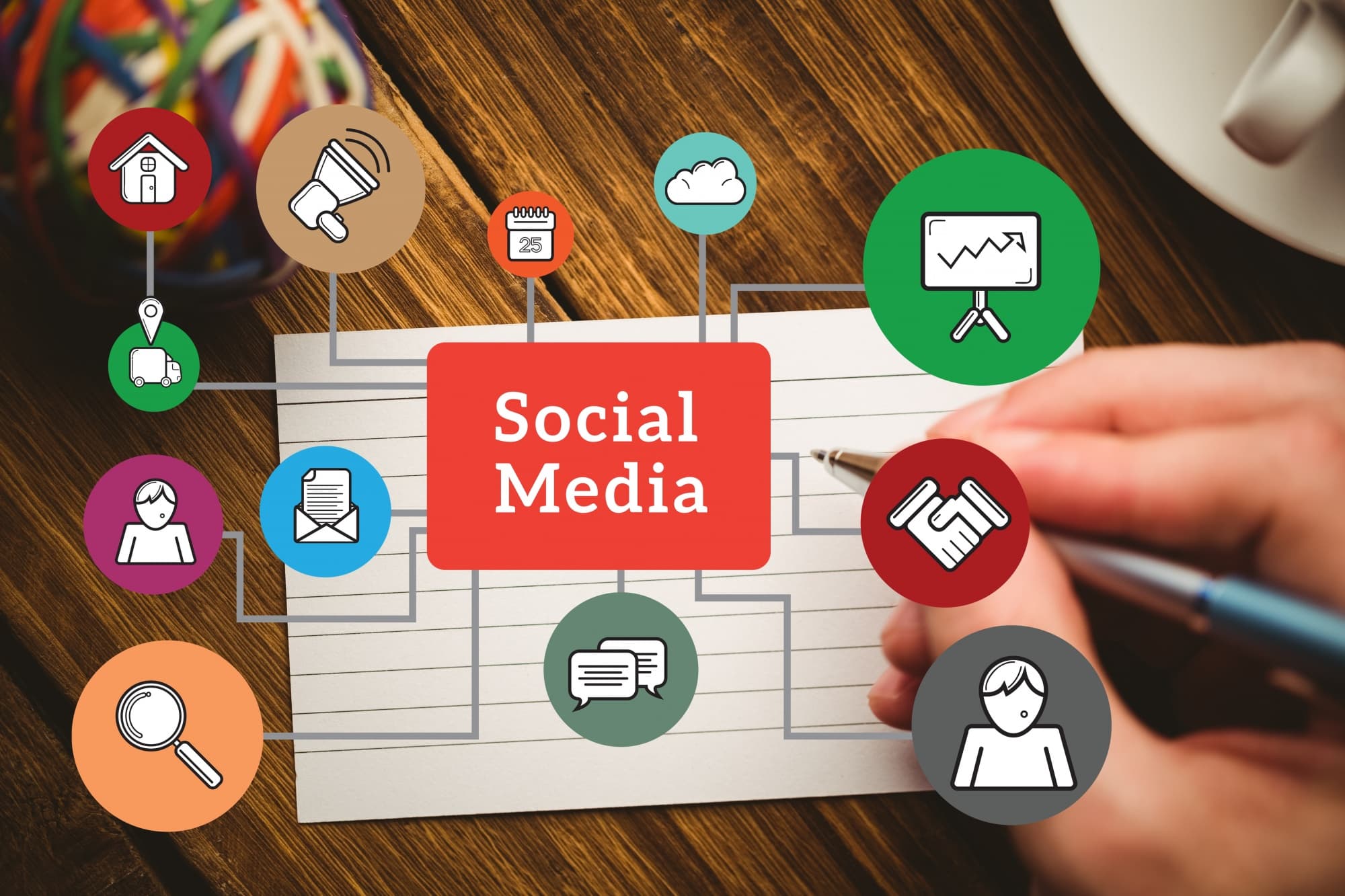
Social media marketing services create and distribute content, manage interactions, and keep your channels optimized so your brand reaches the right people without you handling every task yourself. If you already believe social can grow your business but are not sure how to make it work as a real marketing channel, the steps below cover what to decide and in what order.
The short version: set the plan first, choose channels deliberately, then hand off the execution. A practical online marketing plan for a small business can give those channel decisions a wider strategic frame. Doing it in the other order is how businesses end up paying for posts that lead nowhere.
What social media marketing actually is
Social media marketing means creating and sharing content to build your brand, send traffic to your website, and reach the audience you care about. That content can live on your own blog or on platforms such as Facebook, Instagram, and LinkedIn.
You can use those channels in two broad ways, and they are not the same job:
Reaching new people: talking to prospects and leads who do not know you yet.
Keeping existing customers informed: sharing new products, changes, and updates with people who already bought.
Facebook is often used for brand awareness, but the underlying idea carries across platforms: show up where your audience already spends time, and give them a reason to pay attention when you do.
What these services actually take off your plate
Plenty of small businesses use social to attract customers and grow sales. The hard part is turning that activity into a channel that pays off. Budgets are limited, and running social properly takes steady work: producing content, replying to people, optimizing channels, and repeating that every week.
Social media marketing services absorb that operational load. The typical scope covers:
Creating and distributing posts across your channels.
Handling customer interactions, questions, and complaints.
Optimizing channels so the work stays coherent instead of scattered across accounts that each do their own thing.
That last item is easy to overlook and often the most valuable. Individually decent posts on five platforms with no shared direction still add up to a confusing brand.
Why a service beats improvising
Social can help you build a brand, reach a target audience, and generate leads. It usually takes time. It is not a one-post fix where you publish once and wait for people to notice.
The reason improvising fails is rarely a lack of ideas. It is that social is the first thing to slip when the business gets busy, and an account that goes quiet for a month loses whatever momentum it built.
A service helps you grow presence in a planned way: strengthening brand equity, publishing content that fits your audience, and keeping the work moving during the weeks when you cannot run every channel yourself.
Start with a plan before you hire
Have a social media marketing plan in place before a provider starts. Use it to define your strategy, set objectives, and choose goals you can measure.
Without that, you are buying activity. Posts get published, reports arrive, and nobody can say whether any of it moved the business, because there was never a definition of what moving the business looked like.
Before the first invoice, be able to answer:
What is this channel for? Brand awareness, leads, customer updates, or a mix, in priority order.
What does success look like? A goal you can actually check, not a feeling about engagement.
Who are we talking to? The audience the content should fit.
Bring those answers to the provider. A good one will push back and refine them, which is much better than being handed a content calendar built on assumptions. If you are still comparing providers, use a consistent process to find the best digital marketing agency for those goals.
Treat it as a multi-channel strategy
Social marketing is not just Facebook. It usually spans channels such as YouTube, Twitter (X), Instagram, and others, and each one works differently.
Understand how the platforms differ and how each supports your overall plan before you ask a service to post everywhere by default. Publishing the same thing across every channel is cheap to do and rarely lands well, because the format and expectations are not the same from one platform to the next.
A practical filter: pick channels where your audience already spends time and where you can sustain the format the platform rewards. Two channels done properly beat five kept on life support.
Stay consistent, then keep improving
Growth depends on a regular, consistent approach. That is the main reason to bring in help: a service can implement and manage the channels while you spend your time on the business itself.
Consistency alone is not the finish line, though. Keep improving the strategy as you learn what works. Platforms change formats and norms quickly, so build in room to adapt rather than locking a plan for the year and letting it drift out of date.
Review the plan on a set schedule. Look at what earned attention, what did not, and whether the channel mix still matches where your audience is. A data-driven approach to digital marketing makes those reviews more useful. Then adjust and keep going.
The short version
Social becomes a core marketing channel when a clear plan meets ongoing execution. Services handle the day-to-day load: content, replies, and channel upkeep.
Your job does not disappear. Set the goals, choose the right mix of channels, and keep the strategy current as the platforms shift. Get those three right and the execution has something worth executing.