Upwork is an online marketplace that connects freelancers with clients around the world. The flow is short to describe: you set up a profile or post a job, send or review proposals, agree on a contract, collaborate remotely, and handle payment and feedback through the platform.
Everything below expands on that loop, first what the platform does for each side, then the steps in order, then what tends to separate freelancers who win work from those who keep bidding.
What freelancing looks like on Upwork
Freelancing means offering services project by project instead of working under one full-time employer. You choose your clients, set your schedule, and manage your own workload.
Upwork sits in the middle of that arrangement. It helps both sides find each other, agree on terms, track the work, and get paid without either party building the admin machinery from scratch.
That is the mental model worth keeping: it is a marketplace with rules, not an employer. Nobody assigns you work. You go find it, and the platform handles the paperwork around it.
What freelancers get out of it
More job options. Upwork lists work across many industries, so you can filter for projects that match your skills and interests rather than taking whatever comes through your network that week.
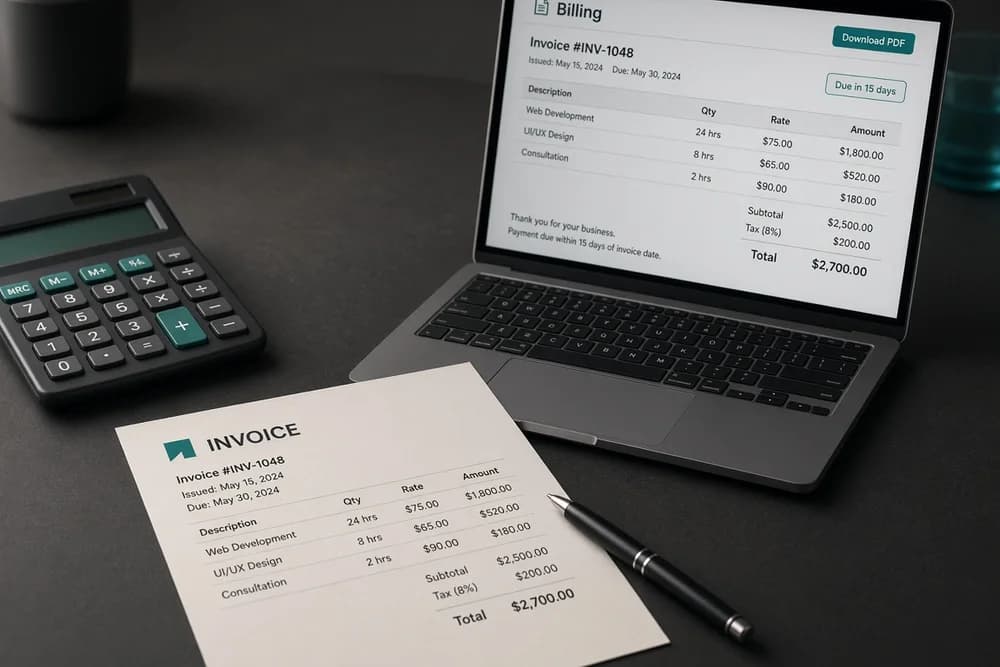
Less admin overhead. The platform covers invoicing, time tracking, and dispute resolution. That frees you to focus on delivery instead of chasing paperwork and payment reminders.
Proof you can show. Your portfolio and client feedback live on your profile. Strong reviews make the next job easier to win, because a prospective client can check your record instead of taking your word for it.
Remote reach. You can work with clients from home, wherever they are. That widens both your network and the kinds of projects available to you.
The tradeoff is that the same openness applies to everyone else. A public marketplace means visible competition, so a vague profile and generic proposals get lost quickly.
What clients get out of it
A large talent pool. Clients can browse profiles, review past work, and hire people who match the brief rather than posting an ad and waiting.
Safer payments. Upwork's payment system is set up so clients pay for work that meets the agreed standard.
Clear collaboration. Messaging keeps discussions in one place, and tools for milestones, deadlines, and progress tracking help keep the project on schedule.
Knowing what the client side looks like is useful even if you are the freelancer. Clients are comparing proposals side by side, so anything that makes their comparison easier works in your favor.
How Upwork works, step by step
1. Create an account
Both freelancers and clients start with an account, using basic details such as name, email, and password.
2. Build your profile (freelancers)
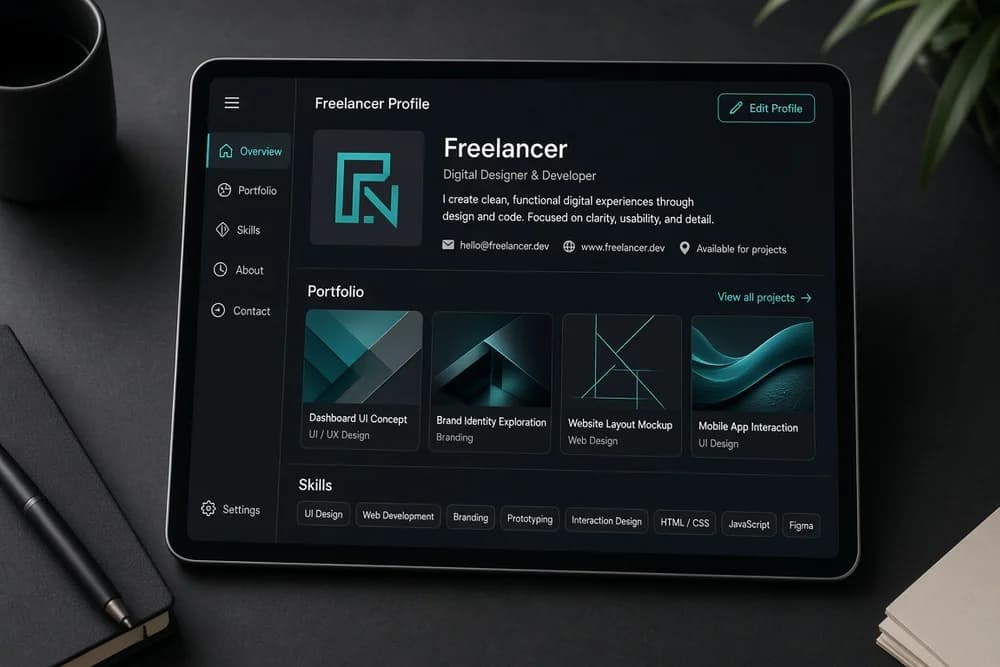
Add your skills, experience, and portfolio samples. Clients use profiles to shortlist people before they hire, so this is the page doing the work while you sleep.
Be concrete about what you do. A profile that lists everything you could theoretically take on is harder to shortlist than one that clearly covers a specific type of work.
3. Find or post work
Freelancers browse job listings and filter by skills, budget, and preferences. Clients post jobs to attract proposals.
Filtering matters more than volume here. Bidding on jobs slightly outside your skill set costs the same effort as bidding on ones you would clearly win.
4. Submit or review proposals
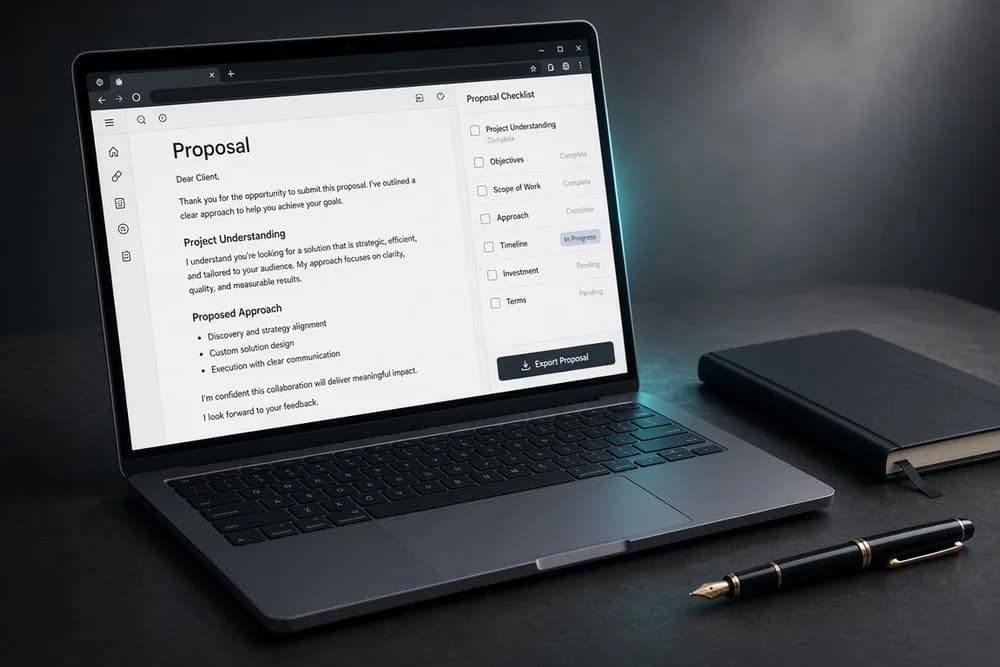
Interested freelancers send proposals covering approach, timeline, and cost. Clients compare those proposals and choose who to hire.
Three things make a proposal easy to say yes to:
Approach: how you would actually do the work, not just that you can.
Timeline: when the client can expect delivery.
Cost: a clear number tied to what is included.
5. Run the contract and get paid
Once you are hired, Upwork supports the contract itself with milestones, time tracking, and secure payment for completed work.
Milestones suit projects with a defined scope and clear delivery points. Time tracking suits ongoing or open-ended work where the scope shifts as you go. Agree on which one fits before you start, since it changes how progress gets reviewed and paid.
6. Leave feedback and ratings
When the project ends, both sides can rate and review each other. That record builds trust for future hires, which is why the last week of a project matters as much as the first.
What actually helps you win work
Make your profile specific about what you do and the results you deliver.
Tailor every proposal to the job and say why you fit it. Reused text reads like reused text.
Reply clearly and quickly so clients always know what to expect from you.
Deliver solid work by the deadlines you agreed to, not the ones you hoped for.
Keep learning your craft so your offers stay current.
Ask for feedback and use it to tighten your process on the next project.
Most of these are communication habits rather than skills. That is the point. Clients cannot evaluate your code or your copy while they are choosing, but they can evaluate how clearly you explain the plan.
Getting started without wasting effort
Set up cleanly before you bid. A finished profile with real samples gives every later proposal something to point back to.
Then bid where you can actually win, communicate early when something changes, and finish on time. Payment and reviews follow delivery, and reviews are what make the next round easier.
Treat Upwork like a marketplace rather than a job board and it behaves predictably: a clear profile, targeted proposals, and reliable delivery compound into steadier work. If that sales model does not suit you, compare the main freelance platforms before investing heavily in one profile.