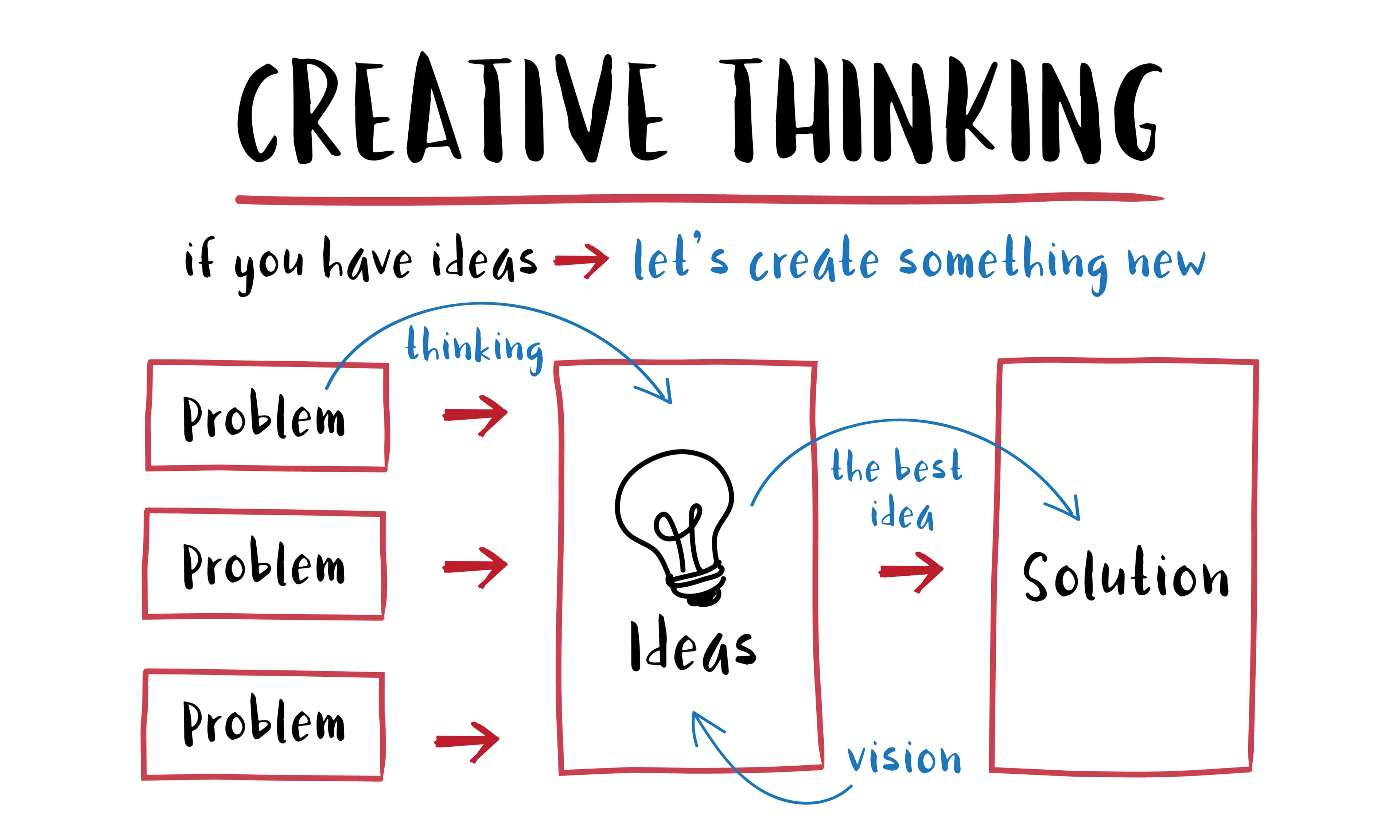
Design thinking is a human-centered way to solve hard problems. You start with real users, define the real problem, generate options, build rough versions, test them, ship what works, and keep learning. The goal is not a prettier idea. It is a solution people can actually use and care about, which is why UX matters more than looks in web design.
It works as both a process and a mindset. The process gives you seven steps to move through. The mindset, built on empathy, creativity, and collaboration, is what keeps those steps honest. Skip the mindset and you get a checklist. Skip the process and you get opinions.
Here is what each principle asks of you, and what it looks like when you do it properly.
1. Empathize
Start with the people you are designing for. Learn their needs, wants, and pain points by listening, observing, and putting yourself in their situation.
The hard part is looking past surface requests. People describe solutions they already know ("add a button here") rather than the problem underneath. Your job is to hear the request, then find what triggered it.
Pay attention to the emotional side of the experience as well as the functional side. Where does someone hesitate, get frustrated, or give up? Even choices such as color can affect that response, as this guide to color psychology in branding and design explains. That understanding becomes the input for every later step, so thin research here weakens everything that follows.
2. Define
Turn what you learned into a clear problem statement. The first version of a problem is usually incomplete, or it is framed around a symptom instead of a cause.
Rewrite the problem using evidence from the empathize stage, not assumptions. If you cannot point to something you observed or heard, it does not belong in the statement.
A sharp definition does two useful things. It focuses the work, and it stops the team from solving the wrong problem well. When people disagree later about what to build, the disagreement is often a sign the definition was never tight in the first place.
3. Ideate
Generate many ideas before you judge any of them. Push for range, including options that feel odd or impractical at first, because those often loosen up the more obvious thinking around them.
Structured brainstorming helps when a group stalls. Mind mapping spreads a problem into branches you can attack separately. Role-playing forces you into the user's position instead of the builder's. Crazy 8s puts a hard time limit on sketching so people stop polishing single ideas.
The aim is a wide set of possibilities that could create real value for users. Evaluate afterwards. Mixing generation and judgment in the same session is the fastest way to end up with three safe ideas and no range.
4. Prototype
Turn selected ideas into something tangible. Build low-fidelity versions first: paper models, simple mockups, or rough digital flows, depending on the project.
A prototype exists so you can see the idea in action early. Treat it as a learning tool rather than a first draft of the final product. Expect flaws, find them fast, and improve before you invest in polish.
Low fidelity has a second benefit. Rough work invites honest criticism, while a finished-looking prototype makes people comment on colors and copy instead of whether the idea works at all.
5. Test
Put prototypes in front of real users and stakeholders. Collect feedback on what works, what confuses people, and what still misses the mark.
Watch behavior, not just opinions. Where someone pauses or takes the wrong path tells you more than whether they say they like it.
Use the feedback to revise, then run another round if the results are unclear. Keep iterating until the solution matches user needs more closely. Testing frequently sends you back to define or ideate, and that is a normal outcome rather than a setback.
6. Implement
Once testing supports a direction, build the market-ready product or service. Depending on the problem, implementation can include development, production, and quality checks.
This stage is where coordination matters more than creativity. Strong project management keeps scope, handoffs, and timelines from drifting, especially when several teams touch the same work.
It is also where earlier decisions get tested for real. Everything the team learned in the first five steps should be visible in what ships, or the research was wasted effort.
7. Learn
Design thinking does not end at launch. Review the full process, capture what worked and what failed, and carry those lessons into the next project.
Be specific in that review. "The research went well" teaches nobody anything. "We defined the problem before we had watched anyone use the current version, and the first two prototypes died because of it" is a lesson the next project can use.
Teams that treat learning as a habit stay more adaptable, because each cycle sharpens the next one. That influence reaches beyond products, which is part of why design matters in everyday life.
How the cycle runs in practice
The seven principles read as a straight line, and following them in order is the right move when you are stuck or starting fresh. In practice the line bends.
A test result can invalidate your problem statement. A prototype can surface a user need your research missed. When that happens, go back to the stage that owns the gap rather than pushing forward with a known flaw.
Two habits keep the loop from turning into an endless circle. Decide in advance what a round of testing needs to prove, and write down what you learned before you start the next round. Without those, iteration becomes repetition.
Where to start
Pick a problem your team keeps arguing about and run the cycle once, end to end, at small scale. Empathize first, define the real problem, ideate widely, prototype early, test with users, implement carefully, and learn on purpose.
One complete pass teaches more than reading about the method, and it gives you something concrete to improve on next time.