Freelance coaching for beginners is a service business: a person pays for structured conversations that move a specific goal forward. The work is not a motivational speech, and it is not therapy. A session has a question, a decision, and a next step the client can take before the next meeting.
This guide is for someone who already has experience in one area and wants to sell that judgment as coaching. It does not cover clinical counseling, and it does not cover building a large course before a single client exists.
What a freelance coach actually sells
A freelance coach sells attention aimed at one outcome. Career coaching might cover a job search. Business coaching might cover an offer, a price, or a weekly plan. Skills coaching might cover a craft the coach has already practiced in paid work.
The offer fails when the outcome is "be your best self." A buyer cannot tell what will be different after four sessions. A usable offer names the person, the situation, and the result. "Four sessions for a junior designer who wants a portfolio and a short list of roles" is an offer. "Life transformation" is not.
Coaching stays inside the coach's experience. A person who has not hired, managed, or done the work should not sell advice about it. Buyers ask for proof. The proof is a method, a sample agenda, and results the client has allowed to be described.
How to start freelance coaching
How to start freelance coaching begins with one lane and a session design, not with a logo. Write the lane in one sentence. Then write what happens in session one, session two, and the last session. A buyer should be able to see the path without booking a call.
A sample can be an anonymized agenda, a worksheet, or a short write-up of a practice session with a colleague who agreed to be a test client. Label practice work as a sample. Do not present it as a paid case.
These freelance coaching tips cover the offer before any profile goes live:
Pick one buyer. A coach who lists executives, students, and new parents in the same paragraph is harder to hire.
Limit the first package. Four sessions of 45 minutes, plus a one-page recap after each, is enough to sell. A six-month retainer can wait until a client asks for it.
Write what the client must bring. A goal, a calendar, and any materials. Sessions stall when that list is missing.
State what coaching will not do. It will not apply to jobs for the client, write their proposals, or replace a licensed clinician.
Set a price for the package. Platform fees come out of that price. The current fee is on the platform's own page.
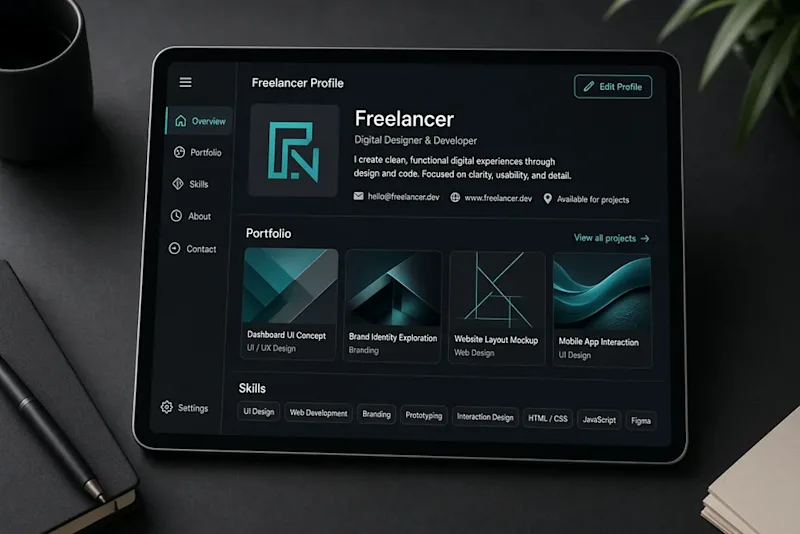
A public profile still matters once the package exists. Freelancing tips for beginners cover a niche, a simple profile, and a first sample before a long list of services.
Finding the first clients
The first clients usually come from a place where the buyer already describes the problem. On a marketplace, that is a job post or a gig title that uses the buyer's words. In a network, that is a note to people who already know the coach's work.
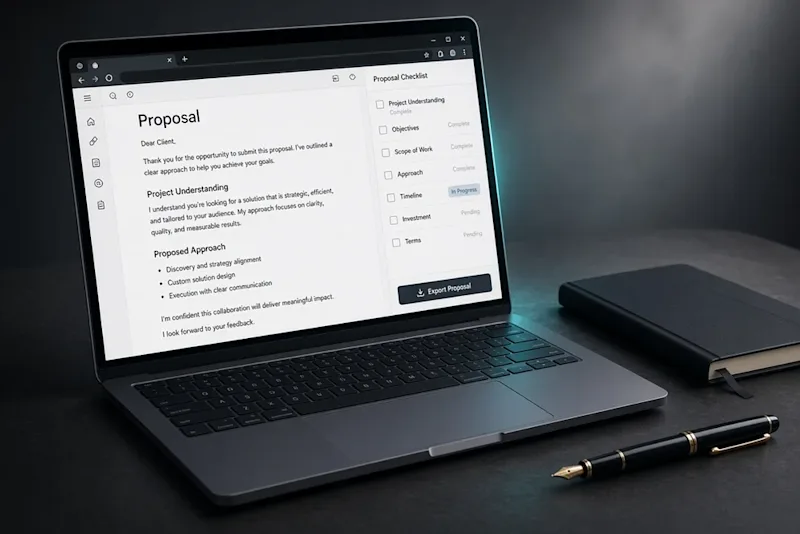
A proposal or inquiry reply should restate the buyer's situation and point to the session plan. A biography of every job the coach has held uses the space the buyer uses to decide. How to write an Upwork proposal is a useful structure when the pitch is on that site: the client's job first, then the relevant sample, then the timeline.
Delivery is part of getting the next client. Hold the session at the agreed time. Send the recap. Ask what should change before the next call. A review request belongs after the package is finished, not in exchange for a discount.
Confidentiality is part of the offer. Do not publish a client's name, employer, or private notes unless that client has agreed in writing. A sample can describe the type of goal and the steps, without the name.
Boundaries that keep the work clear
A session has a start and a stop. The recap lists the decision and the client's next action. Advice outside the agreed lane is noted as out of scope, not delivered as a free extra session.
A coach does not keep medical detail, legal strategy, or a client's passwords. If a conversation moves into a crisis, the coaching frame stops and the client is pointed toward emergency or licensed help. That limit belongs in the offer so the buyer sees it before paying.
Notes stay small: the date, the goal for that session, and the next step. Private journals and employer files are not portfolio material. A sample agenda can be shared. A client's private answers cannot.
A simple start in 2026
The path is short. Choose one buyer and one result. Write a four-session plan. Run one practice session and keep the agenda as a sample. Publish a profile or a gig that repeats that plan in the buyer's words. Send messages only where the buyer's problem matches the plan.
A freelance coach with a narrow package is easier to hire than a coach with a broad promise. The first paid client is the test of the offer. Adjust the sentence that got no reply, and keep the session plan that a client could follow.