
Freelancing in 2026 still means project work for clients, not one fixed 9-to-5 job. Platforms now make paid work easier to find, even without a long work history, which is why many beginners choose it.
If you have little or no experience, your goal is not to look impressive on day one. It is to choose a clear offer, show proof of skill, and finish a few small jobs well enough that the next client is easier to win.
What freelancing looks like now
You sell a service, finish the work, and get paid by project, milestone, or retainer. Digital platforms open work in writing, design, development, marketing, admin, and more.
For beginners, the appeal is simple. You can start with what you already know, build a portfolio in public, and improve as you go. Experience helps, but finished work and clear communication matter more than a long résumé.
Step 1: Identify your skills and niche
Ask two questions:
What can you do well enough to charge for?
What kind of work can you repeat without burning out?
A niche is a specific offer, not a vague identity. WordPress setup for small local businesses beats I do everything online. Specific services are easier to price, pitch, and deliver.
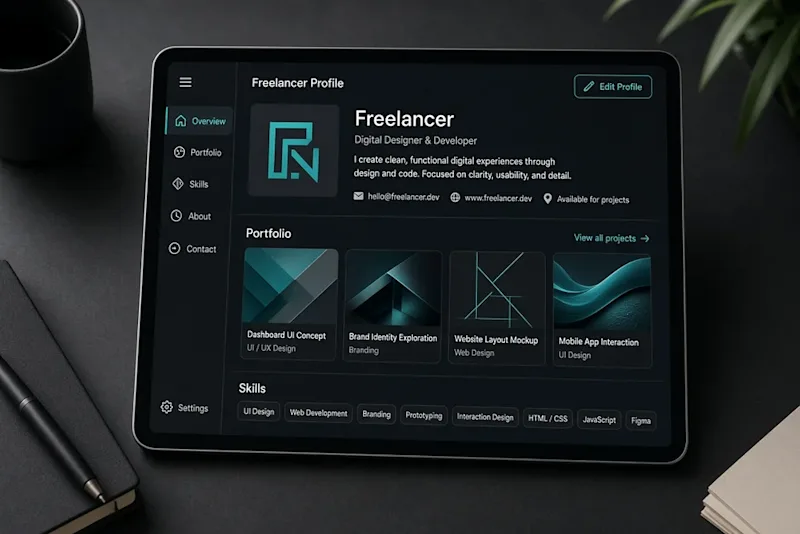
Step 2: Build a strong freelancer profile
Your profile is your storefront. Include:
The exact services you offer
Skills and tools you use
Any past projects, class work, personal work, or volunteer work that proves you can deliver
Keywords clients actually search for in your niche
Keep your freelancing account clear and current. I write product pages that explain features in plain language is stronger than passionate content creator.
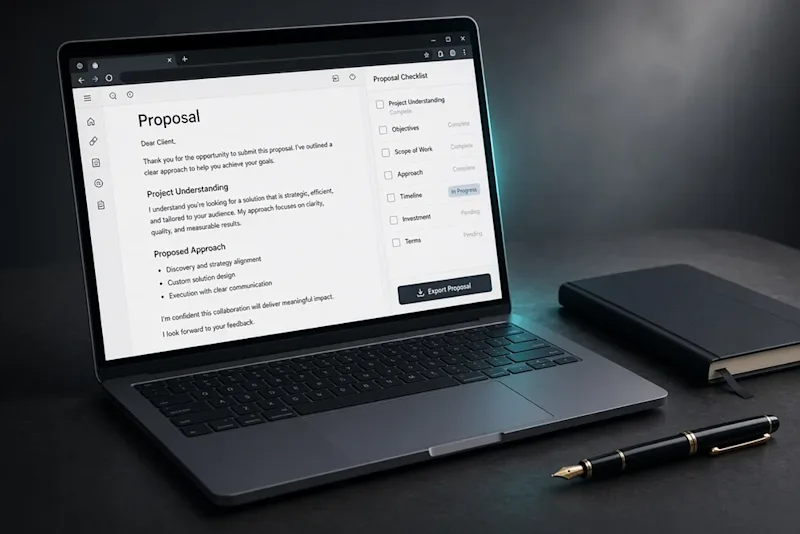
Step 3: Write proposals that match the job
Do not send the same pitch to every listing. For each project:
Show you read the brief
Restate the goal in your own words
Explain how you would approach the work
Mention a relevant sample or similar result
End with a clear next step
Short and specific beats long and generic.
Step 4: Choose the right platforms
Start with the popular marketplaces beginners usually use: Upwork, Freelancer, and Fiverr. Compare:
How clients hire: proposals or gigs
Fees and payment protection
Competition in your category
The kind of projects you want
Pick one primary platform and set it up fully before you spread yourself thin across three half-finished profiles. Choose the one where freelance clients in your niche already spend time.
Step 5: Price for learning, then raise rates
Research what similar freelancers charge for the same service. As a newcomer, starter rates can help you land first reviews. That does not mean racing to the bottom forever. A clean approach:
Start a little below mid-market while you collect proof
Raise prices after a few strong deliveries and reviews
Prefer smaller paid projects over endless free work
Discounted or unpaid work can help only if it gives you a usable case study and a deadline. Otherwise, skip it.
Step 6: Land the first project
First projects are usually small. That is fine. Aim for work you can finish well and on time. Useful tactics:
Apply to jobs that match your niche closely
Offer a clear scope, timeline, and output
Follow up politely if the platform allows it
Treat each job as portfolio material
One solid completed project is worth more than twenty ignored proposals.
Step 7: Keep clients by communicating well
Most early freelance growth comes from repeat work and referrals. Do the basics every time:
Confirm scope before you start
Update clients when something changes
Deliver on the date you promised
Ask what success looks like, then meet it
Exceeding expectations does not mean unpaid extras. It means clear work, clean communication, and no surprises.
Step 8: Manage time like a business
Flexibility is a benefit, not an excuse to work without a plan. Set work hours, protect deep-work blocks, and put deadlines on a calendar you check daily. A simple weekly schedule beats motivation alone.
Step 9: Keep improving your skills
Add skills that make your current offer stronger or let you charge more. Online courses, workshops, and tutorials help when you use them on real client work right away. Learn in public by shipping, not by collecting certificates.
Step 10: Build a simple online presence
A basic website and a couple of active profiles can support platform work. Share samples, short process notes, and useful tips related to your niche. Credibility comes from proof, not from posting every day just to stay visible.
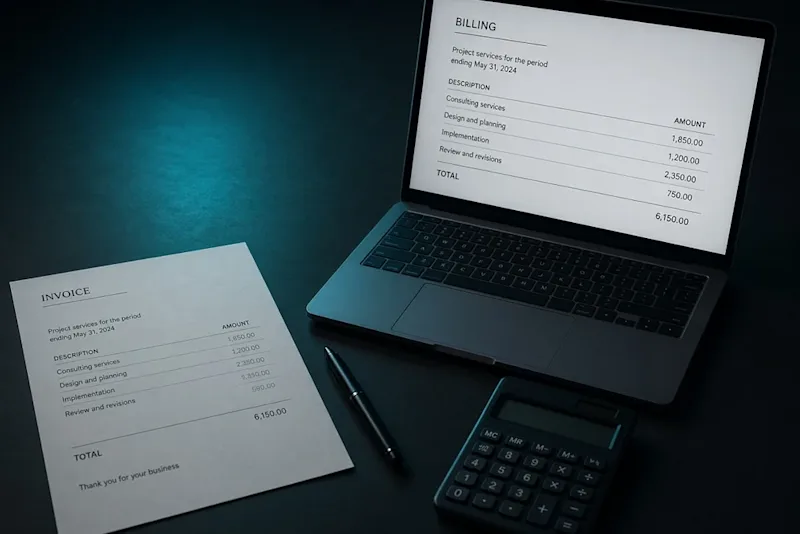
Step 11: Handle money from day one
Track income and expenses. Set aside a portion of every payment for taxes. Use a simple spreadsheet or finance tool, and get accounting help when your income grows enough that guesswork becomes risky.
Also plan for uneven months. Keep a buffer when you can, and avoid spending your highest month like it will repeat forever.
Step 12: Expect hard weeks and stay connected
Uneven income and self-management are normal early on. Keep in contact with fellow freelancers, assess monthly progress, focus on completed projects and improved rates.
Closing note
You do not need prior experience to start freelancing in 2026. For freelancing for beginners, the best path is a clear niche, a usable profile, tailored proposals, and a few jobs delivered well. Begin small, price honestly, communicate clearly, and raise your rates as the proof builds.