A winning Upwork proposal does one thing well: it earns a reply from a client who believes you understood the job. It is not a resume dump, a motivational speech, or a price-only bid.
If your Connects disappear with zero interviews, the problem is usually relevance. The fix is a repeatable structure you customize per post, plus ruthless editing of everything that does not help the client decide. If your profile cannot support the pitch yet, fix that first with How to Create an Upwork Profile That Gets Noticed.
What clients scan for in the first seconds
Clients often skim proposals in batches. They look for:
Signs you read the brief
A believable approach
Relevant proof
Clear communication
A price/scope that feels grounded
They do not look for your full life story. Lead with their problem, not your adjectives.
A proposal structure that works
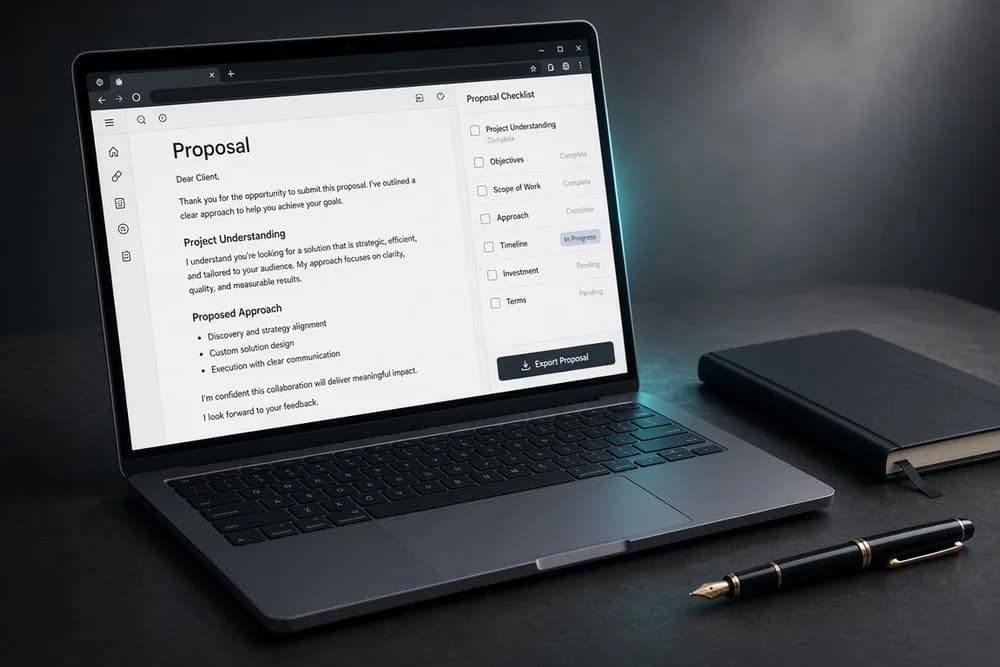
Use this as a skeleton, then rewrite the details every time.
1) Opening line tied to the job
Mention a specific goal, constraint, or deliverable from the post.
Weak: “I am interested in your project and have 5 years of experience.”
Stronger direction: “You need a landing page that explains the product in plain language and is ready for ads next month. Here is how I would approach that.”
If your first two lines could fit any job in your category, rewrite them.
2) Approach in plain language
Explain what you would do in 2 to 5 short sentences or bullets:
Discovery or review of existing assets
Draft or build plan
Feedback loop
Delivery format
Match the depth to the post. A tiny fixed task does not need a consulting essay. A complex build needs a clearer plan and questions.
3) Proof that matches
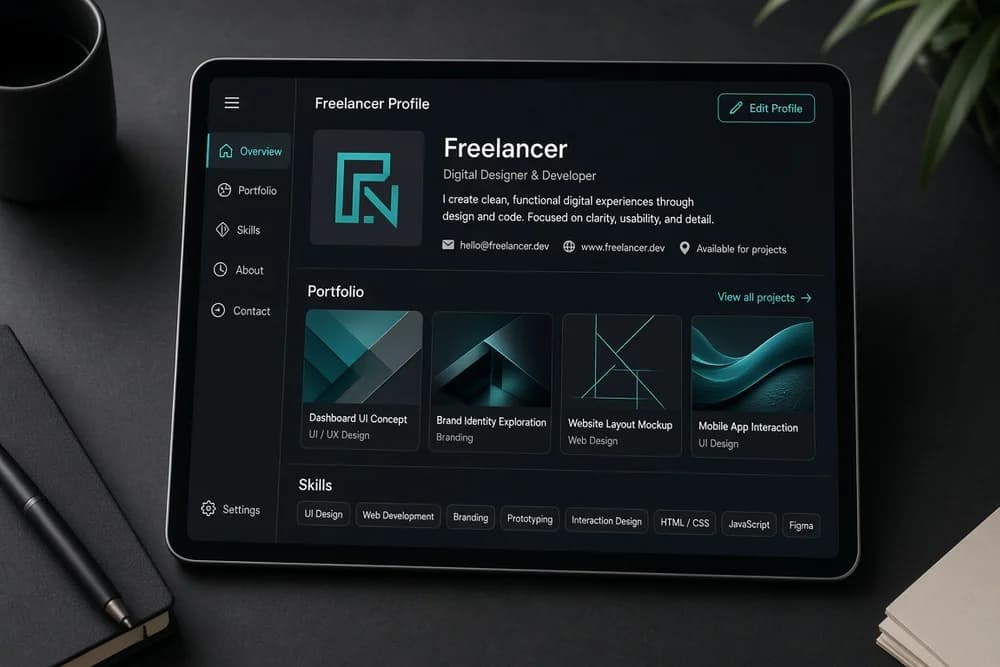
Point to one or two relevant samples. Say why each sample matters for this job. Link portfolio items already on your profile when possible.
Irrelevant awards and unrelated screenshots dilute trust.
4) Scope and pricing clarity
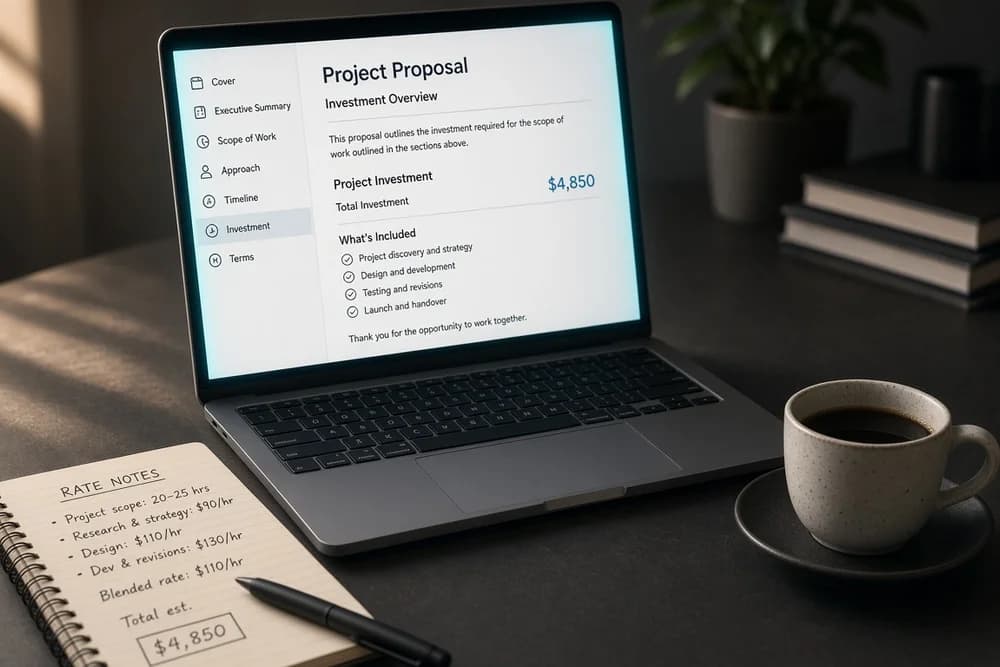
State what is included, what is not, and how you want to work (milestone plan or hourly). If the brief is vague, propose a first paid milestone to define scope instead of guessing a full-project number with no boundaries.
5) Clear next step
End with a simple ask:
Two clarifying questions
A short call
Review of a sample and a yes/no on approach
Do not end with “Hoping to hear from you soon” and nothing else.
Example shape (customize, do not copy blindly)
You can mentally map your draft like this:
Reference their goal or deadline
Outline your steps
Link one matching sample
Offer a scoped price or milestone
Ask 1 or 2 questions that prove you are thinking
Keep your voice natural. Sound like a competent contractor, not a sales letter.
What to cut every time
Delete these by default:
“Dear Hiring Manager” fluff openings
Paragraphs about being hardworking, passionate, or detail-oriented with no evidence
Full tool lists unrelated to the brief
Fake urgency (“hire me today or miss out”)
Identical templates with only the name changed
Emote-heavy filler and emoji walls
Promises you cannot keep (“guaranteed page-one ranking,” “I will finish any scope for this budget”)
If a sentence does not help the client decide, it is wasting space and Connects.
Pricing inside the proposal
Price is part of the pitch, not a separate mystery.
Practical tips:
Mirror the job type: fixed-price for clear deliverables, hourly when scope will evolve
Explain what the number covers
If their budget is listed, either fit a reduced scope to it or explain a realistic alternative
Do not bid absurdly low just to “get a foot in.” Cheap bids attract messy clients and painful revisions
When you are new, competitive pricing can help, but relevance still beats being the cheapest. Gross up numbers so platform fees do not erase your floor using How Much Does Upwork Cost? Fees for Freelancers and Clients.
Questions that make you look sharp
Good questions show you read the post and protect the project:
What does success look like in concrete terms?
What assets already exist?
Who provides feedback and how fast?
Is there a hard launch date?
Which parts are must-have versus nice-to-have?
Ask a few. Do not interrogate the client with fifteen questions in the first message.
Boosts, Connects, and when extra spend makes sense
Boosted proposals can improve visibility on some jobs. They do not fix a generic pitch.
Spend more only when:
The job is a strong portfolio match
Your draft already references the brief
You can deliver on their timeline
Otherwise you are paying extra to show a weak letter higher in a list. Treat Connect spend as a marketing budget, not a lottery ticket, and keep the wider hiring process tight with How to Get a Job on Upwork: A Beginner’s Guide.
Follow-up without sounding desperate
If you get no reply, one short follow-up after a reasonable wait can help. Add value: a clarifying thought, a relevant sample, or a tighter scope option. Then move on.
Repeated daily pings usually hurt more than they help.
Common beginner proposal mistakes
Applying before the profile and portfolio can support the pitch
Ignoring screening questions or answering them with one-word fluff
Pasting the same letter into every job
Quoting a number with no scope boundary
Attaching unrelated files
Writing for yourself (“I want experience”) instead of the client’s outcome
Fix the mistake you actually have. More volume will not repair a broken template. If you are still learning the platform workflow around proposals, contracts, and payouts, keep How to Use Upwork as a Beginner: A Step-by-Step Guide open beside this article.
A same-day proposal checklist
Before you spend Connects:
I can point to one detail unique to this post
My approach fits the stated goal
I included relevant proof
Price/scope is understandable
Screening questions are answered carefully
Next step is clear
I would hire someone who wrote this if I were the client
If the last box fails, rewrite once more.
Next step
Take one open job that matches a portfolio piece you already have. Write a proposal using the structure above, then cut every sentence that does not help the client decide. Send it. Repeat with two more jobs today. Winning proposals are built by practice on real briefs, not by collecting more templates. If proposal-based work still feels wrong for your offer style, compare marketplaces in Which Freelance Platform Is Best for You?.