A freelance case study is a short account of one finished job. It tells a future buyer what was wrong, what the freelancer did, and what existed at the end. It is not a slogan and it is not a screenshot with no explanation.
How to write a case study, for a freelancer, is a fixed order. Problem, work, result. Anything that does not serve those three parts can be cut. The piece should be short enough that a client skims it inside a proposal.
This applies after a real job, or after a clearly labeled sample project. It does not apply to work still in progress, and it does not apply to numbers the freelancer hopes will be true later.
Why a case study article works
A case study article gives a buyer the context a portfolio image cannot. A homepage thumbnail does not say what the client asked for. A paragraph does. The buyer can compare that situation with their own.
Case study for freelancers is also a filter. Writing it shows whether the job had a defined result. If the only honest ending is "the client was happy," the notes from the project were too thin. The next job can track one concrete outcome so the following case study is easier to write.
Permission comes first. Ask before using a name, a logo, a private metric, or a screenshot of their product. A yes in a message is enough to keep with the file. A no means the story stays anonymous: industry, company size in general terms, and the type of work.
The three parts
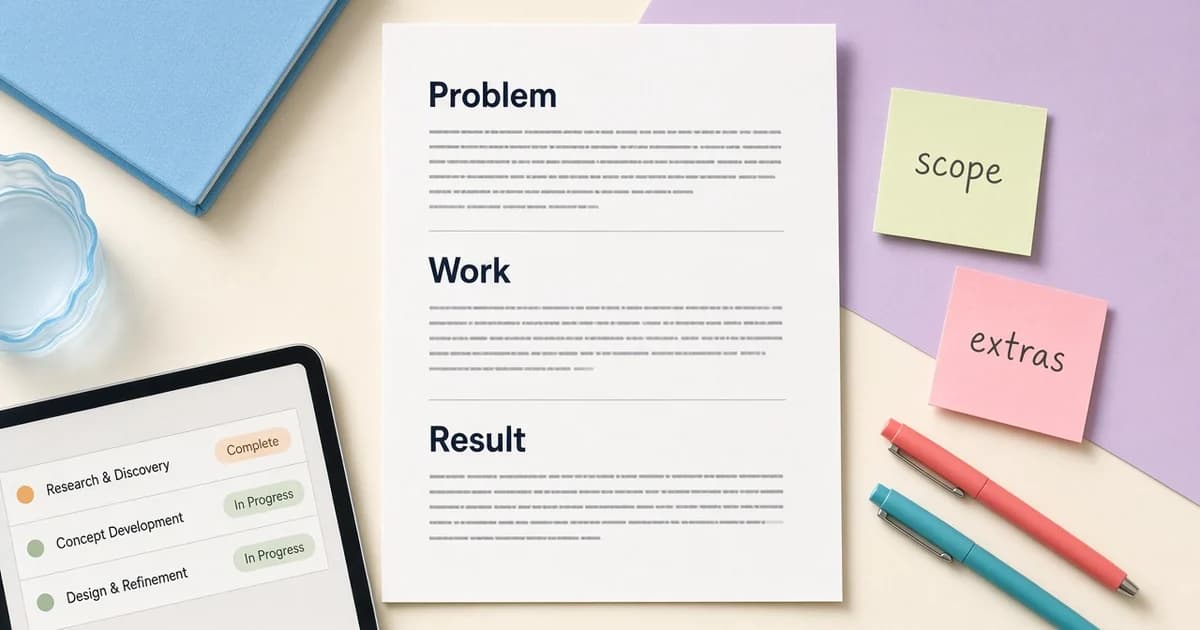
Problem. What the client needed, in their words if possible. One or two sentences. The background history of the company is not required.
Work. What was in scope. Pages, drafts, calls, or files. What was not included. The steps should match the offer a future buyer might buy. A case study that describes unpaid extras teaches the next client to expect the same extras.
Result. What was delivered and what changed, if the client confirmed the change. A published page, a documented process, a reduced round of revisions, a number from the client's own report. If there is no confirmed number, do not invent one. "The site launched with the five pages in the brief" is a result. "Revenue doubled" is a claim that needs the client's figure and permission.
A client quote is optional. One sentence, used with permission, is enough. Do not rewrite the quote to sound stronger.
Where it goes
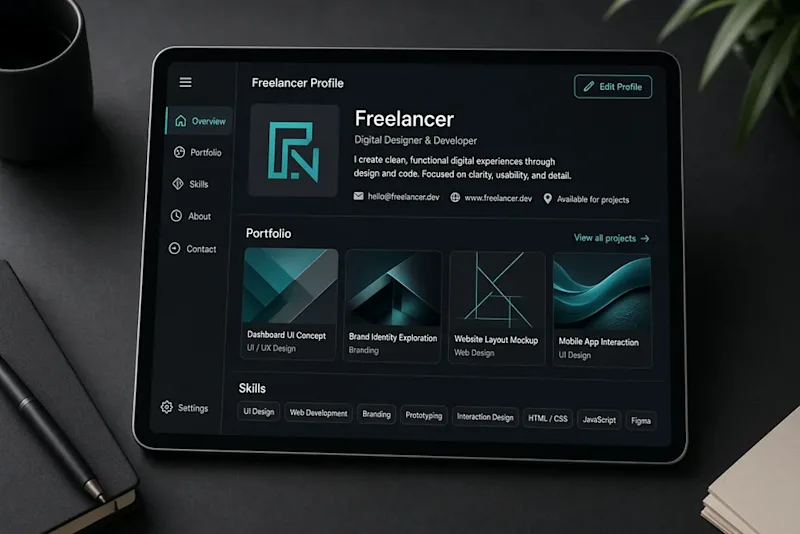
Put the case study where the buyer already looks. On an Upwork portfolio item, the title can be the result and the description can be the three parts. How to create an Upwork profile covers the portfolio fields around that item.
In a proposal, paste the case study only when it matches the job. A relevant example beats a favorite example from a different industry. How to write an Upwork proposal is the structure around it: the client's job first, then this proof, then the timeline.
On a gig page, a short version belongs near the description of the package. The long version can live on a page the freelancer controls, linked from the profile, if the platform allows the link.
Keep one case study current. When a stronger project finishes, replace the weakest example rather than listing ten thin ones. Update the result if the client later shares a figure they are willing to publish. Leave the old guess out.
One page is enough
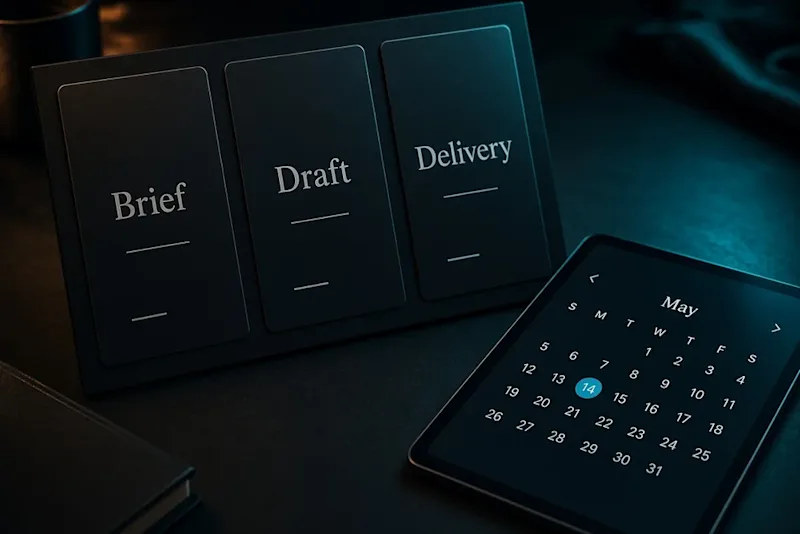
A client case study can fit on a single page. Use the three headings and a line for the facts: industry, deliverable, and time from start to acceptance. Leave out the founder's biography and the tools list unless a tool changed the result.
Read it as a buyer would. The first lines should match a job the freelancer wants again. If the opening is about software settings, the next client with that problem will care, and everyone else will not. That is a reason to keep more than one case study only after each one serves a different offer.
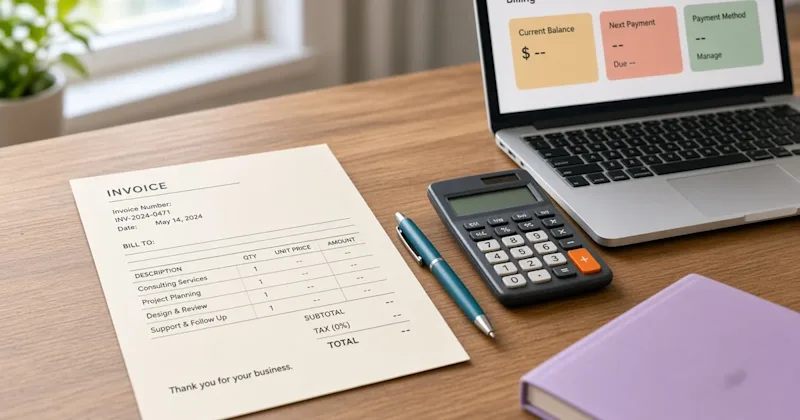
Check the claims twice. Every number traces to the client. Every screenshot has permission. The scope in the story matches the invoice. A case study that describes free work as the standard offer will be used against the next price. If a detail cannot be confirmed, cut it. A shorter true page is the one to send.
A page a buyer can skim
Use plain headings: Problem, Work, Result. A few sentences each. One image if it shows the deliverable and the client agreed. No stock photo that could belong to any project.
A freelance case study wins attention when a buyer recognizes their own problem in the first lines and can see a finished piece of work at the end. Write it once, from a real job, with permission. Then use it only on the pitches it actually fits. Retire an example when a newer job shows the same offer more clearly.
Permission is a sentence in the thread or the contract. It names what may be public: the industry, the result, a screenshot, or the client's name. If only the industry is allowed, the page says so and leaves the name out. A spoken yes on a call should be written back in a message the client can correct. Publishing first and asking later turns a useful example into a problem.