What is ad hoc work? It is a task with an end. A client asks for one deliverable, the freelancer completes it, and the engagement stops unless someone starts a new one. Ad hoc freelance work is that pattern sold as a service. It is not a job with a monthly seat, and it is not a retainer that renews on its own.
Beginners meet this shape constantly. A logo, a landing page, a batch of product descriptions, a single edit, a one-time spreadsheet. The first client is often an ad hoc project. The trouble starts when nobody writes down where the project ends.
How a one-off differs from a retainer
Ad hoc projects have a file, a date, and a definition of done. When the file is accepted, the work is over. A retainer has a repeating scope: hours each month, a set of posts, or a support window. The relationship continues until one side ends it.
Both can be legitimate. They should not share one price and one sentence. A buyer who says "small task" and then expects weekly changes is describing a retainer. A buyer who says "monthly partner" and then sends one brief is describing ad hoc work. The label in the message matters less than the scope in the agreement.
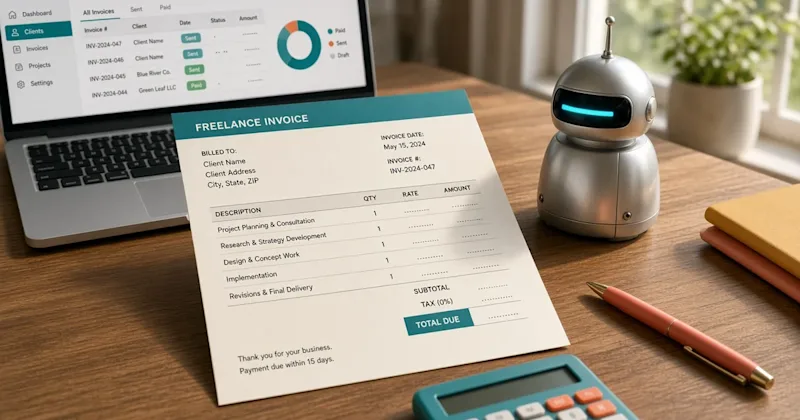
Payment follows the same split. An ad hoc job can be one invoice or a milestone tied to delivery. A retainer is a repeating invoice. Mixing them makes "done" impossible to point at.
How to scope the first one-off
Write three lines before the work starts.
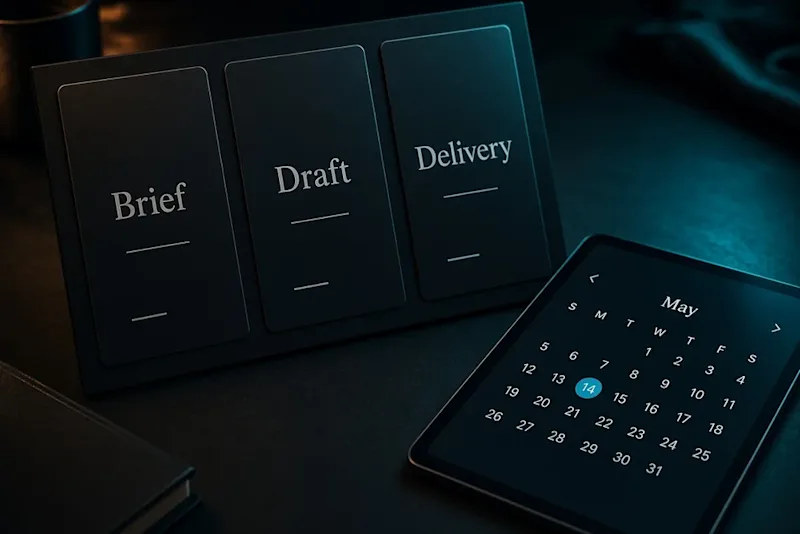
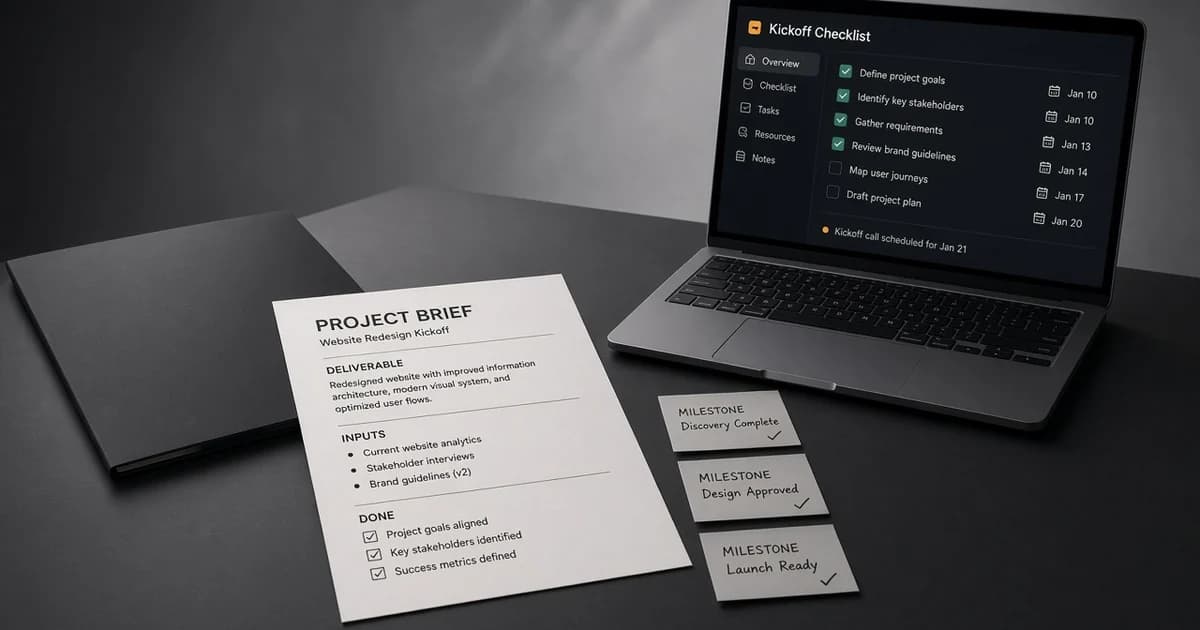
The deliverable. What file or outcome will exist.
The inputs. What the client must send, and by when. If the inputs are late, the delivery date moves.
The edges. What is not included. Extra pages, extra rounds, extra calls, or work in a tool the freelancer does not use.
A first job should be small enough to finish on time. A late first delivery is harder to repair than a modest review. Larger scope can be a later project. What to do after an Upwork job is won covers the first message and a funded milestone, which is the moment this scope should already be clear.
When the client asks for more, answer with a price or a change to the written lines. Silence reads as a yes. Ad hoc freelance arrangements stay fair only when the extra is visible.
When a one-off is a poor fit
Some work is a system, not a file. A content engine, a support desk, or a product that needs the same person next month. A one-off can set the system up and document it. It is a poor fit when the client needs the freelancer to operate it with no handoff and no ongoing agreement.
It is also a poor fit when the brief is "help" with no deliverable. Ask for the file or the decision that will exist at the end. If the client cannot name it, the job is not ready to price.
After a finished ad hoc job, a next project is a new sale. Customer follow-up on Upwork is one way to offer that next piece of work without pretending the first job is still open.
Close the job on purpose
When the file is delivered, send a short acceptance note. It repeats the deliverable, asks the client to confirm, and states that further changes are a new task. The note is part of ad hoc work because it marks the end. Without it, the thread stays open and small requests keep arriving.
Handoff is a file plus the context needed to use it. Login steps the client asked to receive, a list of what was changed, and where the source file lives. It is not a promise to watch the work for free next month.
If the client wants that watch, write a retainer: what repeats, how often, and what a month includes. Keep the finished one-off closed. A new agreement is cleaner than an old invoice that never quite ended.
A change is a short message, not a new shape for the whole job. Name the extra deliverable, the new date, and whether the price changes. Ask the client to reply yes before the extra work starts. Keep the original three lines attached to that yes. The deliverable, the inputs, and the edges still apply to everything that was not changed. If the extra work needs a file the client has not sent, the new date starts when that file arrives. The task can grow. It grows in a message both sides can read, and it still has an end.
Store the scope, the delivery date, and whether the client accepted. That record shows which one-off jobs were the right size. The next yes can match that size instead of a larger guess. If the same client returns, start a new scope rather than reopening the old thread. The old acceptance note is the proof that the first job ended.
A clear ending
Ad hoc work is a complete task, paid and closed. Define the deliverable, the inputs, and the edges. Deliver that, and only that, unless the scope changes in writing. The first clients can be one-off projects. They go better when both sides can tell when the work is finished. A written ending protects the price on the next one-off, because the last job did not quietly grow.