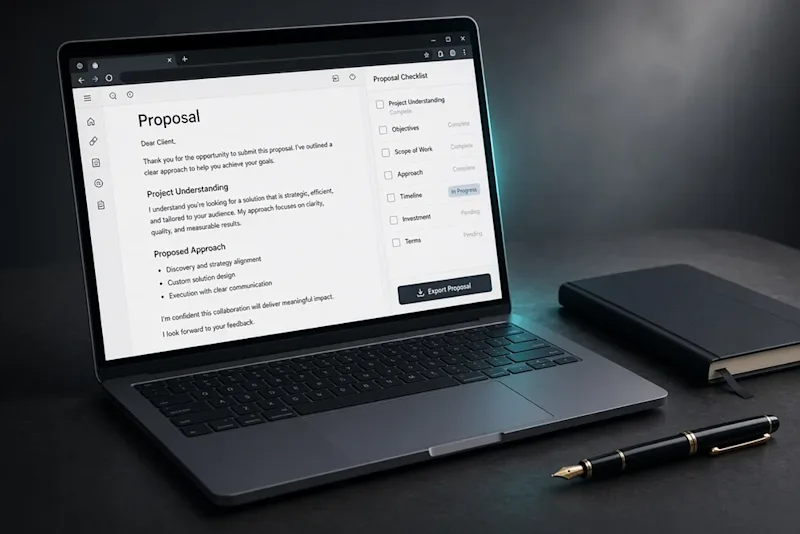
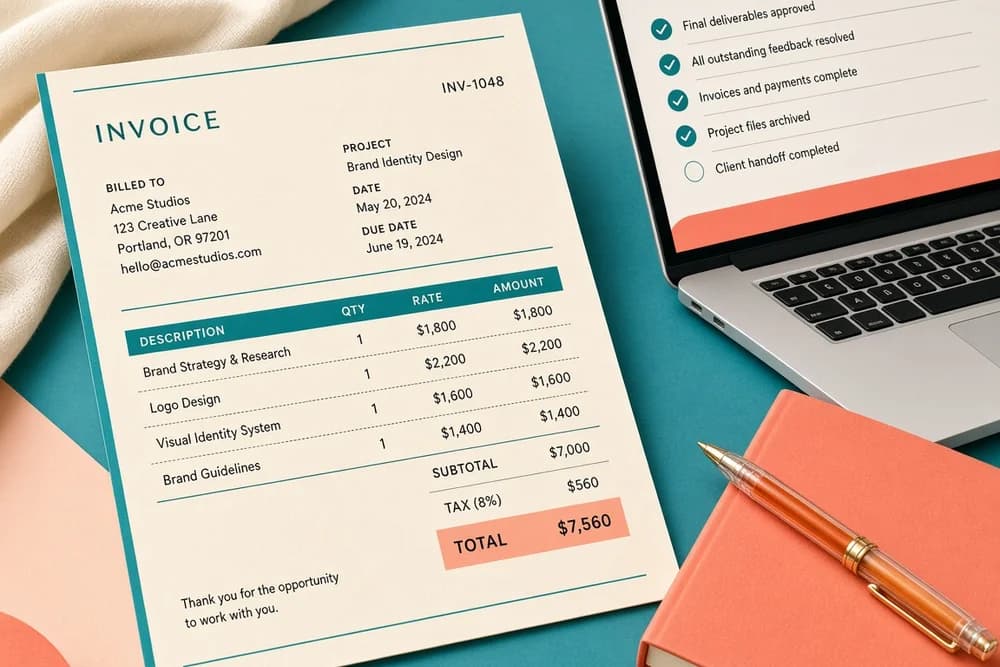
Turn one finished Upwork contract into the next job with a simple customer follow up. One of the best ways to follow up with customersis to combine a clean handoff, one review request, and one useful follow-on offer with a written price.
The cheapest next job on Upwork is the client who already paid you. They have seen your work. They know your style. They do not need a cold pitch from a stranger. Many freelancers waste that chance. They send the last files, say 'let me know if you need anything', and wait for the public feed again.
Get the next piece of work on purpose. Close the contract well, ask for the review at the right time, and offer one clear follow-on. Do not send a vague 'happy to help with future projects'. This is the best way to handle customer follow-up on Upwork.
Finish what they hired you for
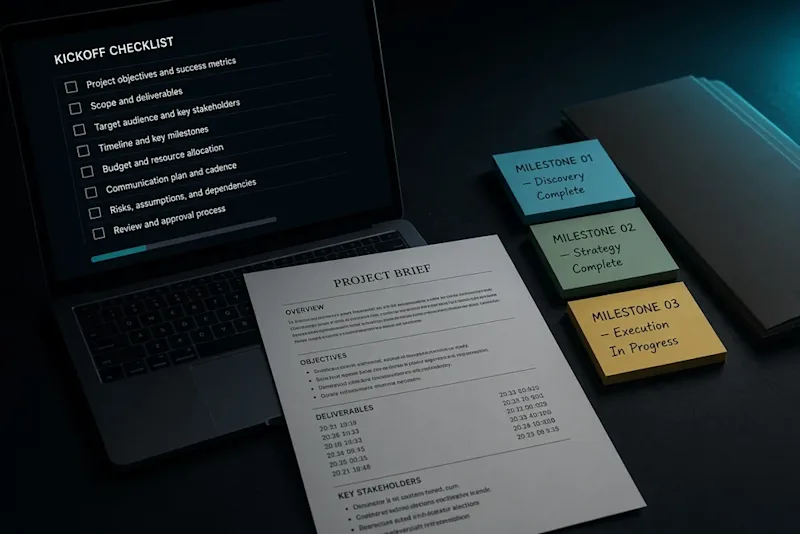
The follow-on starts with a clean end. Send the milestone with a short list of what is included and a link that works. Tell them how to ask for the revision round you already priced. If they still owe you text or a login, say the submission is waiting on that item. Do not call a site done when the contact form sends nowhere.
Clients remember the last week more than the pitch. A tidy handoff makes the next yes easier. A messy handoff makes the review your next problem.
Ask for the review after they have the result
When the work is submitted and the client has had time to use it, ask for a review in one or two sentences. If you want to know how to ask for a customer review, keep it short and clear. Thank them for the clear feedback if they gave any. Do not send a script for them to paste. People can smell a forced five-star ask, and Upwork reviewsare not something you should try to script around.
If they are happy, they will often leave the review when the contract closes. If they are slow, one reminder is enough. A second or third reminder turns a good project into an awkward one.
You may leave them a review too. Keep it specific and calm. A public jab at a picky client is a review future clients can read.
Use a gentle follow-up when the client goes quiet
If the client has not replied, a gentle follow up on this pleasemessage is usually better than sending another sales pitch. Give them enough time to review the work, then send one short message that reminds them what was completed and asks whether they need anything else. Keep the tone helpful rather than urgent.
For example: “Hi, just checking in to see if you had a chance to review the changes. Everything from the milestone is ready on my side. If you have any questions or want to discuss the next page, I’d be happy to help.”
This keeps the customer follow-up simple and gives the client an easy way to respond without feeling pressured.
Offer one next piece, with a price
Look at what you already saw on their site. A good sales follow up processstarts with a real need you noticed during the project, not a list of services you want to sell. The follow-on should be obvious from the work and useful to the client.
The landing page is live, but they still have no real services page
The brochure site is up, but the contact form has no confirmation message
The small app slice works, and they asked twice about a second record type
Pick one. Write three lines: what you would add, how long it takes, what it costs, and that it can be a new milestone or a new offer. Here are a few best ways to follow up with customersexamples:
After finishing a website:
“The website is now live. I also noticed the services page could be added next. I can build it for $200 and have it ready in two days if you'd like to continue.”
After fixing an existing feature:
“The issue is fixed and the updated version is ready. One thing I noticed is that the mobile menu could also use a small improvement. I can handle that as the next milestone for $100.”
After delivering an app feature:
“The new record type is working as discussed. If you'd like, I can add the second record type we talked about for $150. It should take around two days.”
Keep the next job on the platform
Add the milestone or accept the new offer on Upwork. Same rules as the first job: funded milestone or tracked hours, scope written, files in the contract. The trust you earned is not a reason to move the invoice to a private channel. The second contract will be easier to scope for a reason.
If they ask to continue off Upwork, decline and point to the new milestone. You already know how to say it. The fee on a second $1,000 job is still cheaper than a dispute with no contract.
Use the review as proof, not as a personality
A specific review ('delivered the five-page site on time and fixed the mobile nav') helps the next stranger. A generic 'great guy' review helps less. You cannot control their words. You can make the delivery easy to describe by doing one clear thing.
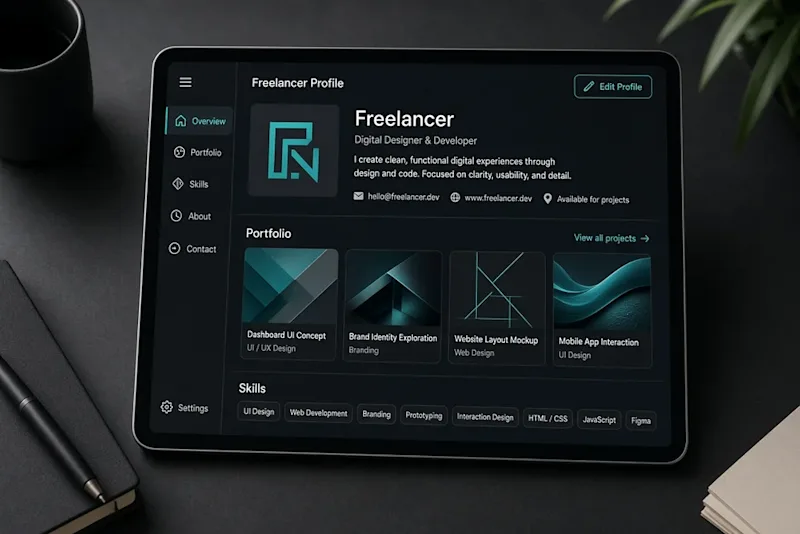
Put that finished URL in your portfolio if you have permission to show it. Crop a thumbnail that looks like the site, not like a certificate. The next client from the feed should see the same kind of page this client just paid for.
Timing that does not feel like a chase
Send the follow-on while the client is still looking at the finished work. This is often the easiest point in the sales follow up processbecause the value of your work is fresh in their mind. A short customer follow-up with one relevant suggestion is enough.
Waiting a month to 'not be pushy' mostly means they have moved on. Being pushy is a second and third pitch, or a retainer they did not ask for. One priced next step, once, is ordinary business.
If they say they need a week to look, leave it. Put a reminder on your own calendar, and do not ping them before that week ends. You can still request the review when the contract closes, even if you never buy the extra page.
When there is no next job
Some clients truly need one site and nothing else. Thank them, close the contract, and leave the door open with the single offer you already sent. Do not invent a maintenance retainer they do not need. A retainer with no clear monthly task turns into resentment on both sides.
Then go back to the job feed with a portfolio that is one site stronger. The client who hired you once has done their part. The next stranger is a new proposal. It should point at the work you just finished, not at a promise that you are available for anything.