A ghost writer career is paid writing that the client publishes as their own. Blog posts, emails, speeches, books, and LinkedIn articles are common. The writer is not the public author unless the contract says otherwise.
How to become a ghostwriter is less about a secret talent and more about a format the writer can already produce, a sample that does not break a confidence, and a scope that says how many drafts the price includes.
This is for people who can write in someone else's voice from an interview or a brief. It is not a guide to claiming a client's results as a personal brand.
What the work includes
Freelance ghostwriting starts with a brief. The client has a reader, a point of view, and often a rough idea. The writer asks questions, drafts, and revises until the piece sounds like the client and does the job the brief described.
The voice is the hard part. A ghostwriter listens for words the client actually uses. A short interview, a few past emails, or a recording are the raw material. Inventing a personality the client does not have produces a draft they will not publish.
Confidentiality is the default. The client's name, the draft, and the fact of the engagement stay private unless the client agrees in writing to a credit or a case study. Publishing a private draft as a portfolio piece is a breach, even if the writing is strong.
How to show the skill
Ghostwriting samples have to exist without breaking that rule. Three honest options:
A demonstration piece written for a fictional client, labeled as a demonstration. The brief can be in a line above the draft so a buyer sees the assignment.
A description of a real project the client allowed: the format, the reader, and the kind of piece, with no name and no private detail.
A bylined article from earlier work, labeled as bylined, so the buyer knows it is not a ghostwritten sample. It still shows sentence-level skill.
Do not scrape a famous person's blog and present the imitation as a client project. Buyers who need a ghostwriter are often careful about exactly this.
Beginner freelance writing is the path when the goal is bylined pieces and a public portfolio. Ghostwriting uses the same craft and a stricter rule about credit.
How a job is scoped
A ghostwriting offer should say:
The format and the length. One email, one 800-word post, or one chapter. "Content help" is not a scope.
The inputs. A call, a bullet list, or existing notes. If the client provides nothing, the first paid step is the interview, not a full draft.
The rounds. A first draft and one revision is a clear product. Extra rounds are a new line on the invoice.
The rights. The client owns the finished text after payment. The writer does not reuse it.
The credit. None, unless a line in the agreement allows a private mention or a public credit.
Price the package, not an endless monthly chat. A book is a series of chapter packages, not one number with no milestones.
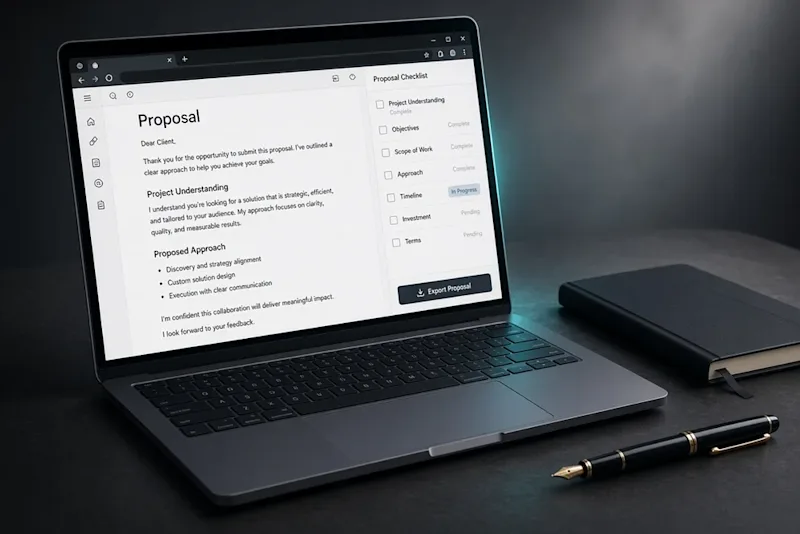
When the pitch is a proposal, name the format the client asked for and point to the matching sample. How to write an Upwork proposal fits that message: their piece first, then the sample, then the number of drafts.
Questions before the first draft
The interview is part of the job. A short list keeps it from becoming a social call.
Who is the reader, and what should they do after reading? What must be said, and what must be left out? Which phrases does the client use, and which ones do they dislike? Is there a past piece that sounds like them?
Answers go into a brief of half a page. The draft follows the brief. If the client cannot answer, the paid step stops at the brief instead of producing a full piece that will be rewritten from scratch.
Voice shows up in small choices: short sentences or long ones, a joke or none, a direct claim or a careful one. Copy those choices. Do not upgrade the client's voice into a style they would not say out loud.
Send the draft with two or three notes on where their words were used and where a gap in the brief forced a choice. That note gives them a way to correct the voice without starting over. Keep the interview notes private with the draft. They are not a sample, even when the writing lessons in them are useful.
A practical start
Pick one format. Write two demonstration pieces in two different voices and label them. Write a one-page description of how an engagement runs, from the interview to the final file. Send that to buyers who already need the format.
A ghostwriter with a narrow format and a clean confidentiality rule is easier to trust than a writer who offers every kind of text and a portfolio full of other people's names. Repeat the same format until a buyer can see, from the samples alone, what a draft from this writer will feel like.
A public sample never uses a client's name, company, or unpublished draft. If a past client allows a credit, keep that piece separate and say the credit was granted. Demonstration pieces, written to a fictional brief and labeled as such, cover the gap until a real credit exists. The fictional brief should still name a reader and a purpose, so the sample shows judgment rather than a generic page of text.