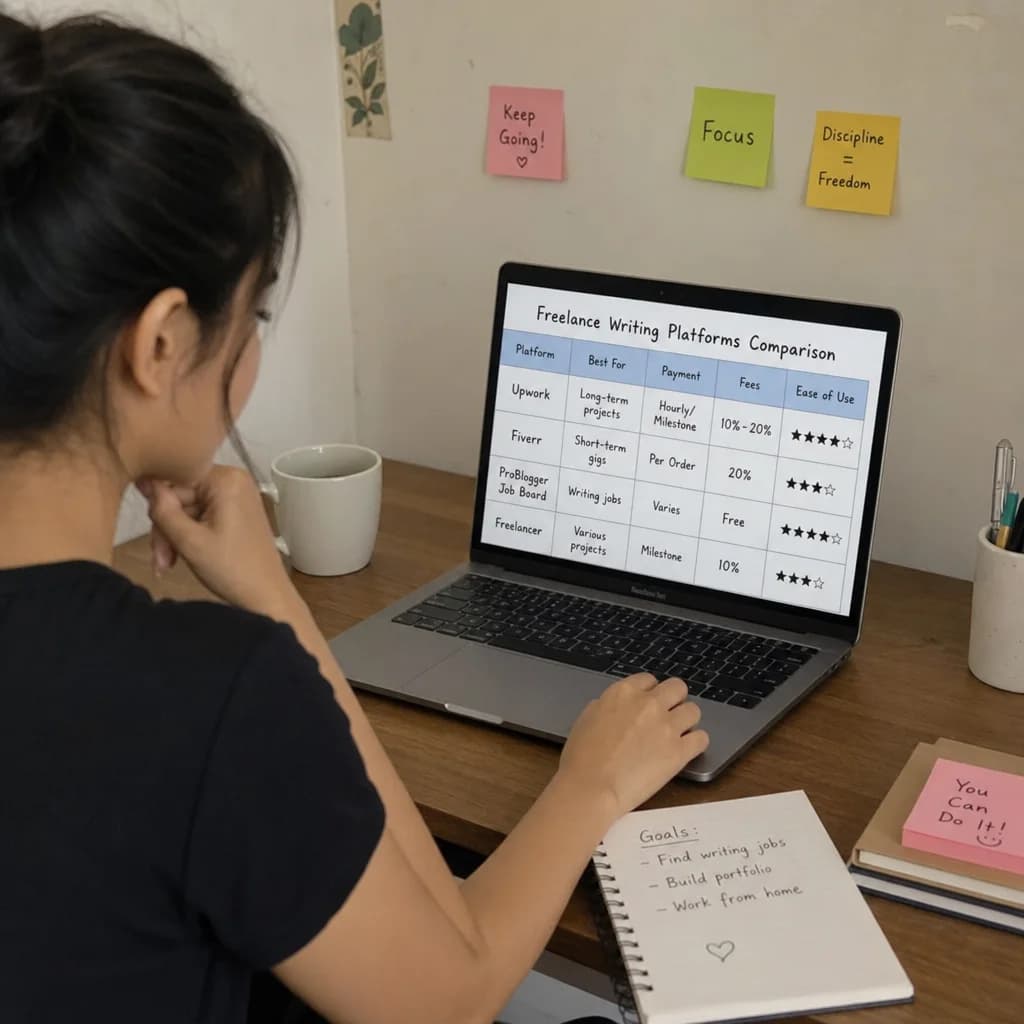
Starting freelance writing is less about perfect credentials and more about solving a client's content problem. There are freelance writing jobsavailable for beginners. The right freelance writing websites can help you find work, compare projects, build your skills, and understand what clients pay. If you want freelance writing jobs for beginners with no experience, begin with a small portfolio. Choose the right platforms to showcase your work. Set fair prices for your services to save your time.
Which freelance writing platforms are best for beginners?
The best websites for beginners offer real freelance writing jobs. They give you enough project details to create good pitches. You can also show samples even if you don’t have paid work yet. Some options include Upwork, ProBlogger, FreelanceWriting.com, LinkedIn Services Marketplace, Contently, Fiverr, and Contra. The best choice depends on what skills you have.
Platform | Best for | Beginner advantage | Watch out for |
|---|---|---|---|
Upwork | Broad freelance writing jobs, SEO content, blogs, copywriting | Large marketplace with writing and translation jobs posted often. Freelancers can set a rate and apply to client posts. (support.upwork.com) | Many proposals need Connects, so apply with care instead of sending generic pitches. (support.upwork.com) |
ProBlogger Jobs | Blog writing, niche content, ghostwriting | Focused writing job board with freelance, contract, part-time, and full-time filters. (problogger.com) | Job boards can attract scams. ProBlogger warns applicants to be careful with strange files, pay requests, and off-site tricks. (problogger.com) |
FreelanceWriting.com | Remote writing leads across categories | A dedicated writing board with filters for blogging, copywriting, editing, journalism, marketing, SEO, and technical writing. (freelancewriting.com) | Listings vary, so read the brief and pay terms closely. |
LinkedIn Services Marketplace | Networking, referrals, direct clients | Clients can search for providers, request proposals, and message service providers, while writers can use their profile and network for trust. (linkedin.com) | It is more of a relationship channel than a simple job board. |
Contently | Portfolio building and brand content opportunities | Freelancers create a portfolio, add clips, mark themselves available, and may receive client invites after approval. (support.contently.com) | It works best once you have samples. Contently recommends a strong bio, good clips, and clear portfolio detail. (support.contently.com) |
Fiverr | Packaged writing services | You can turn a service, such as blog posts or product descriptions, into a clear offer. Fiverr has a writing marketplace for many project types. (lp.fiverr.com) | Beginners may underprice unless they set scope tightly. |
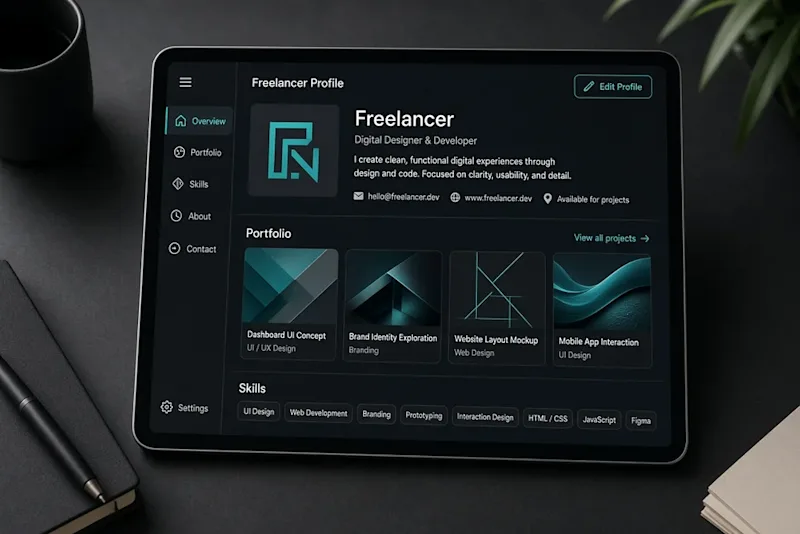
Contra | Portfolio-led freelance work | Contra positions itself as a professional network for independents and says freelancers keep 100% of earnings commission-free. (contra.com) | A polished profile matters because clients judge your work before they contact you. |
Build proof before you chase every job
Clients rarely hire beginners because they love writing. They hire because they need a blog post, landing page, email, case study, product description, or article that helps a business goal. That means your first asset is a portfolio, not a long resume.
If you have no paid clips, create three to five samples yourself. Choose real topics in niches you want to write for, such as personal finance, health and wellness, software, parenting, education, travel, home services, or B2B marketing. A sample like How Local Dentists Can Use Email Reminders to Reduce No-Shows is stronger than a generic essay because it shows you understand the audience, the problem, and the content goal.
A simple starter portfolio can include:
One SEO-style blog post
with headings, a clear intro, and useful subtopics.
One short copy sample
, such as a landing page section, service page, or email sequence.
One niche article
that shows research ability and subject knowledge.
A brief writer bio
that explains what you write, who you help, and how clients can reach you.
A process note
that shows how you research, outline, draft, revise, and meet deadlines.
Contently's freelancer guide also points to portfolio strength, bio quality, clips, topics, skills, and availability. That is useful even if you host your samples somewhere else. (support.contently.com)
How do you get freelance writing jobs with no experience?
To find freelance writing jobs without experience, begin by building small but credible evidence. Then, approach specific clients with a clear message. Do not lead with the fact that you are new. Lead with the type of writing you can deliver, the audience you understand, and the sample that proves you can handle the work.
Here is a practical first-month plan:
Pick two writing lanes.
For example, SEO blog posts for wellness brands and email newsletters for local service businesses. A lane helps you write better samples and search smarter.
Create three samples.
Post them on a personal site, Contently portfolio, Medium page, Google Doc folder, or simple PDF portfolio.
Optimize one marketplace profile.
If you choose Upwork, write a client-first profile and apply with care. If you choose LinkedIn, update your headline, featured section, and services.
Apply to 5--10 relevant listings each week.
Use ProBlogger, FreelanceWriting.com, Upwork, and LinkedIn searches instead of one source only.
Send direct pitches.
Find small businesses, agencies, newsletters, or blogs that already publish content and suggest one useful idea.
Track everything.
Use a spreadsheet with columns for platform, client, pitch date, project type, rate, response, and follow-up.
The key is steady effort without panic. Newbie freelance writing jobs are usually small tasks like writing a blog post, product descriptions, newsletters, or website content. Treat each one as a chance to practice client communication, get feedback, and build a better sample.
A simple way to compare opportunities
Not every listing is worth your time. Some beginner writers accept every project because they want experience, but low-quality gigs can trap you in rushed work, vague expectations, and prices that make growth hard. Before applying, pause and score the opportunity.
Use this quick checklist:
Is the topic clear?
Vague posts often turn into scope creep.
Is the task defined?
Look for word count, format, number of revisions, deadline, and research needs.
Does the pay match the effort?
A quick article may still need research, outlining, writing, editing, and formatting.
Can you use the work as a sample?
If not, the price should make up for that limit.
Does the client communicate well?
Confusing, rude, or evasive messages are warning signs.
Are there scam signals?
Be careful with strange files, money requests, or pressure to move into unsafe payment setups; ProBlogger's scam warning is a good reason to stay alert. (
)
This filter helps you avoid the worst low-paying traps while still taking realistic starter projects. Experience is useful, but only if it teaches you how to serve better clients.
What should beginners charge for freelance writing?
Beginners should set freelance writing rates based on the time needed to research, write, revise, and communicate, not just word count. Your first freelance writer prices may be lower than a specialist's, but they should still make the project worth your time and leave room to improve.
Freelance writer prices depend on niche, complexity, turnaround, usage rights, and client expectations, so there is no universal rate. As a market reference, Upwork says hiring a content writer on its platform generally costs about $15--$40 per hour, while another Upwork cost guide says top content writers can go higher and that many fall around $30--$50 per hour. (upwork.com) Upwork's freelance writing rates guide also gives a project example: a 1,000-word research article may be about $75 on the low end and closer to $250 or more for experienced writers. (upwork.com)
A beginner-friendly pricing guide might look like this:
Hourly:
Useful when the scope is not clear. Start with a rate you can defend, then track time carefully.
Per project:
Best for blog posts, landing pages, and emails when the task is clear.
Per word:
Simple for articles, but risky if research, interviews, SEO formatting, or revisions are heavy.
Retainer:
Better later, when a client wants new content each month.
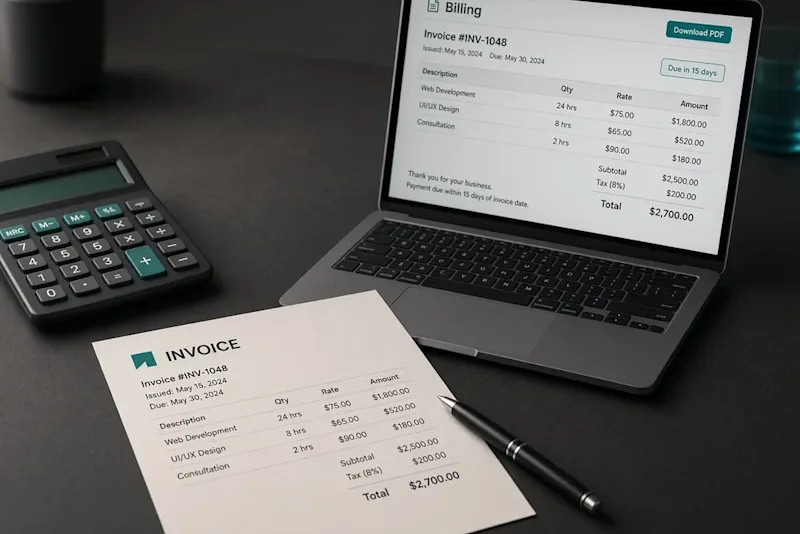
When comparing freelance writing prices, think in effective hourly terms. If you charge $75 for a blog post and spend six hours researching, drafting, editing, emailing, and revising, your effective rate is $12.50 per hour before taxes and business costs. That math is why pricing too low can slow your growth.
Raise your rates with evidence, not nerves
You do not need to wait years to raise rates. Raise them when your work becomes easier to sell: you have stronger samples, reviews, repeat clients, a clear niche, or proof that your writing supports a business result. The Freelance Content Writers Association's rate chart for 2026 helps professionals and clients look at editing costs. It shows that pricing is a decision based on facts, not just a guess.
A simple progression can work well:
First 1--3 projects:
Focus on clear work, deadlines, and reviews.
After 3--5 solid samples:
Raise prices for new clients, not old projects in midstream.
After repeat demand:
Package services, such as monthly blog content or a website copy refresh.
After choosing a niche:
Charge for judgment, not just words.
If a client says your price is too high, reduce scope instead of cutting your rate at once. Offer one revision instead of three, a shorter article, or lighter research. This keeps your value intact while giving the client options.
Skills that make platforms work better
Freelance writing platforms are only lead sources. Your skills turn those leads into paid work. New text: Beginners who do well communicate clearly, meet deadlines, ask smart questions, and understand client needs.
Focus on these core skills:
Research:
Use reliable sources and understand the audience before drafting.
Structure:
Make articles easy to scan with strong headings, a clear flow, and useful examples.
Editing:
Deliver clean drafts without making the client fix basic issues.
SEO basics:
Learn search intent, keywords, internal links, meta descriptions, and helpful formatting.
Client communication:
Confirm scope, deadlines, tone, revision limits, and file format upfront.
Organization:
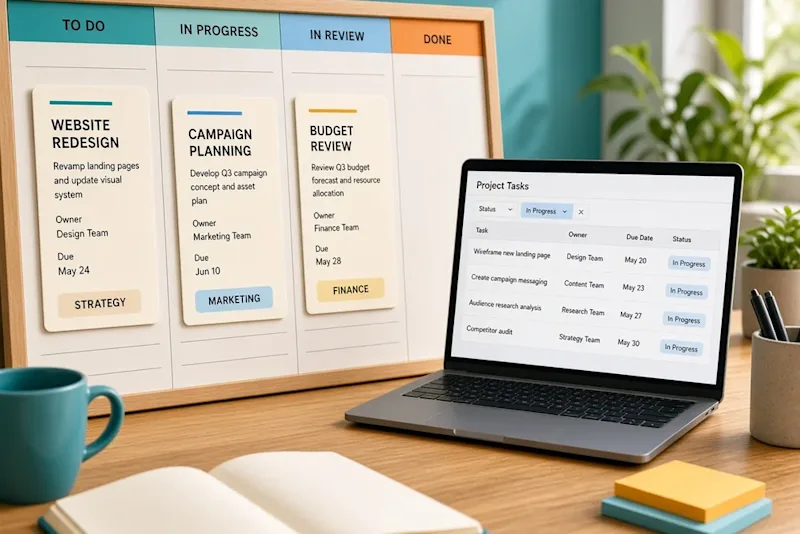
Track work in Google Sheets, Trello, Notion, or another simple system.
AI-assisted workflow:
Use AI for brainstorming, outlining, or checking gaps, but keep strategy, judgment, fact-checking, and final voice under your control.
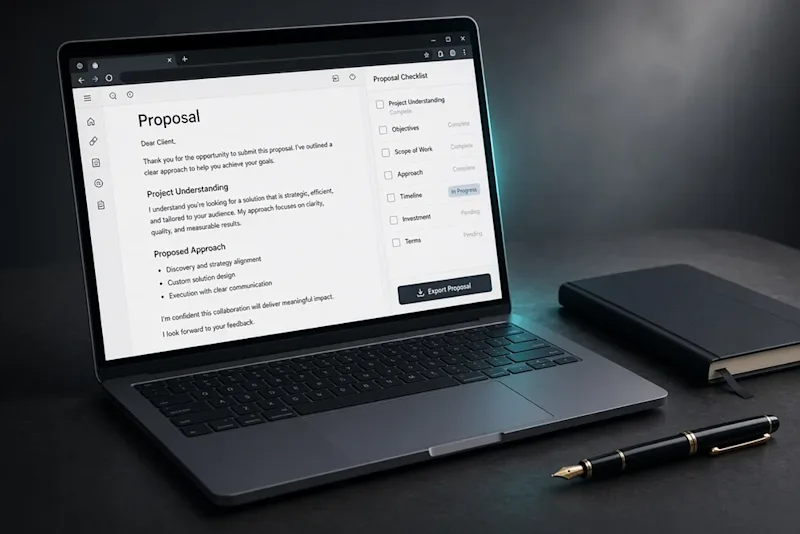
These skills also help you write better pitches. Instead of saying you can write an article, say what you can deliver: a 1,200-word beginner-friendly guide with SEO headings, practical examples, and one revision included. Specificity makes you easier to hire.
The takeaway for new freelance writers
Learning how to begin freelance writing is not about finding one magic website. It is about combining a small portfolio, smart platform choices, steady pitching, and sustainable pricing. Use Upwork for volume, ProBlogger and FreelanceWriting.com for focused leads, LinkedIn for relationships, Contently for portfolio trust, and Fiverr or Contra if you can package your services clearly.
The best way to learn how to get freelance writing jobs is to treat your first month like a test. Build samples, apply with care, track responses, improve your pitch, and raise your standards as your proof grows. Freelance writing jobs for beginners with no experience do exist, but the writers who move past beginner rates are the ones who stop selling words and start selling useful, reliable content outcomes.