This Upwork for beginners guide keeps the first week simple. Set up Upwork before the first bids: one clear offer, a real portfolio piece, a rate after the fee, and only the jobs that match that offer.
If you are new on Upwork, the first skill is not to write more proposals. It is to stop and build the account first. A client who sees a thin profile will not hire you, and you still pay Connects for that click.
Do the setup below in order. The first proposals come last, on purpose.
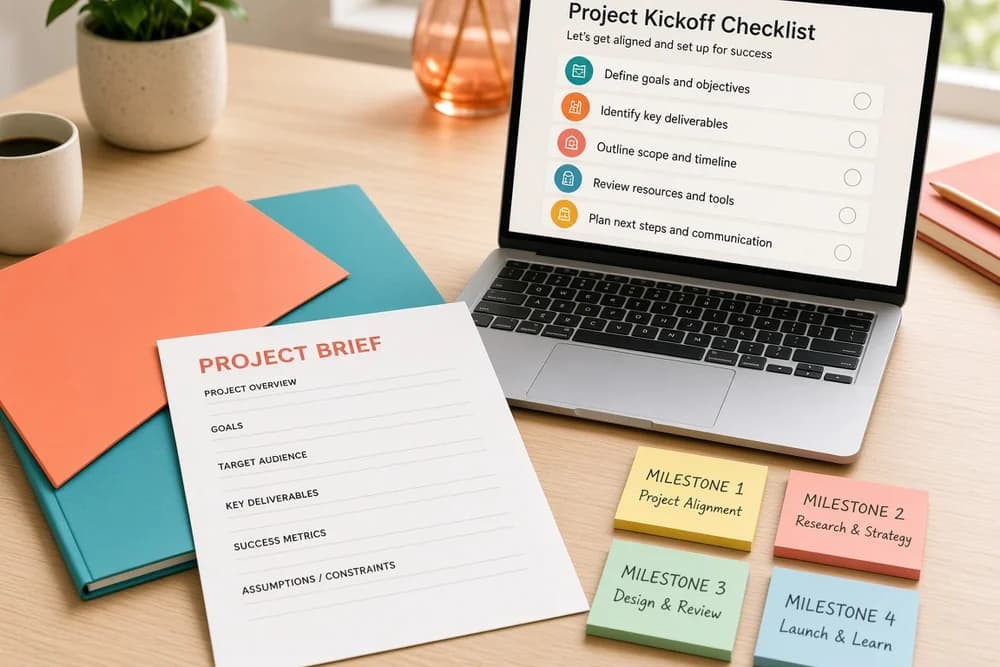
Decide the one job you want
Pick one offer a stranger can understand: marketing sites, landing pages, or fixes to brochure sites. Write it in one sentence, and say what you will not take. I do not take full product builds or $100 shops is a useful line. It keeps you out of jobs that look busy but pay like a favor.
Range hurts beginners. They see a React job, a WordPress job, and a need a developer for my startup job, and they bid on all three with the same paragraph. The profile then matches none of them. Stay on one offer for the first month. You can widen it after you have one contract and one review that match that offer.
Finish the profile before the job feed
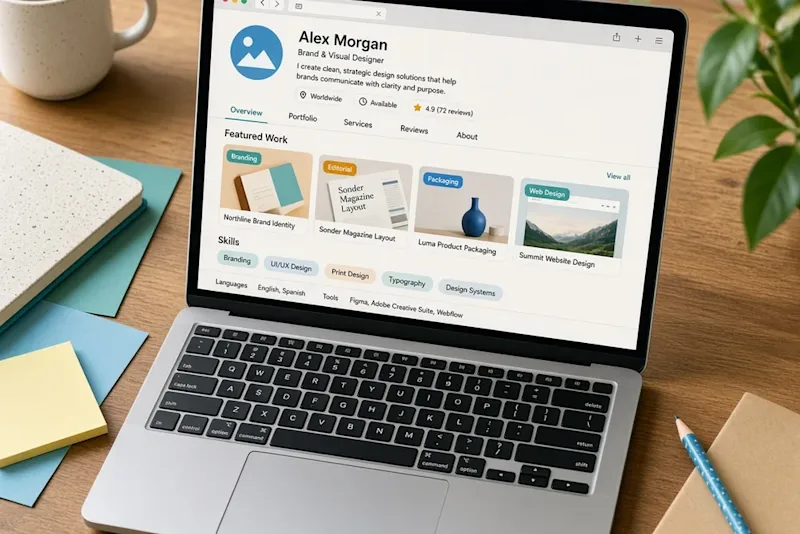
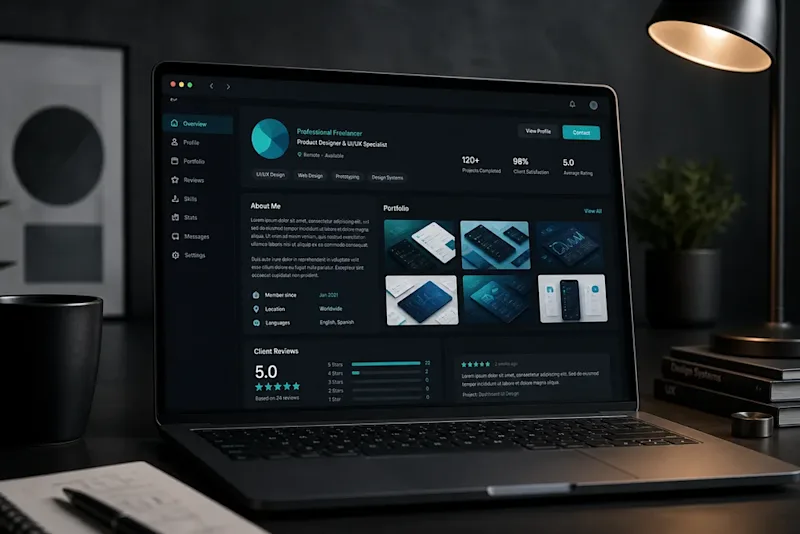
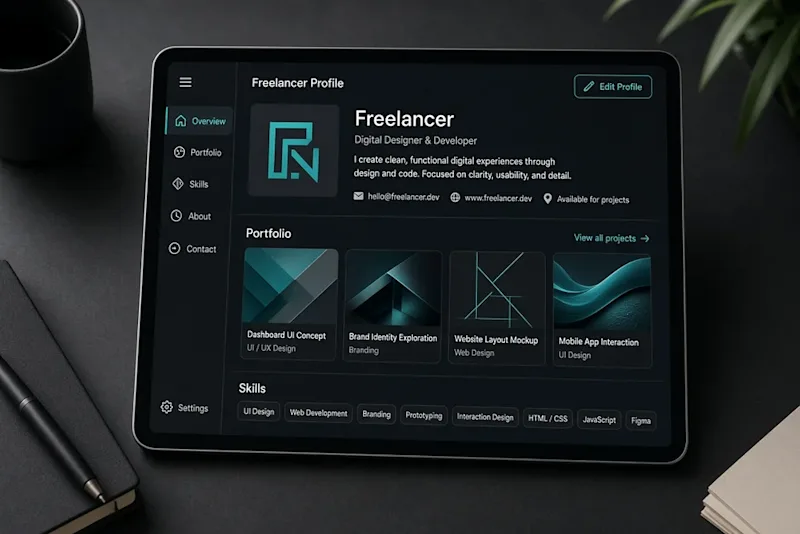
Title, photo, overview, and one portfolio item. The overview should repeat the sentence you just wrote. It should also say how a small project runs, such as pages, revisions, and timeline. The portfolio item must be something the client can click.
If you have nothing yet, spend two or three days on a simple public page and ship it. That is faster than a week of rejected proposals.
Set a rate only after you check the freelancer fee in your account. The number on the profile must still leave you a rate you can live with. New freelancers often post a token rate to win something. The thing they win is a client who expects that token rate forever.
Add a withdrawal method, even if you have not been paid yet. You do not want a delay on the day a milestone clears.
Learn the two contract types in plain language
Fixed price means the client funds a milestone, you deliver, they approve, and then you get paid through the platform. Do not start a website on an unfunded milestone.
Hourly means you run Upwork's time tracker while you work. Hours without the tracker are a weaker promise. If you are a beginner, fixed price is safer for a small site with a clear page list. Hourly is easier to misuse when you do not yet know how long a page takes.
You do not need a big theory of contracting. You need to know which button creates which bill.
Buy Connects only for jobs you can describe
Connects are the toll for a proposal. The toll changes by job. Open the post, read it to the end, and check the Connects cost before you care about the client's story.
A job is worth a proposal only if you can answer yes to all these:
The work fits your offer
You can name the pages or the fix in the first lines of the proposal
The budget is in range, or you can offer a smaller scope
The client is not asking you to start platform, share free work as a test, or move the chat to Telegram before a hire
If any answer is no, leave it. Beginners treat Connects like a lottery ticket. They are a fee. Spend them like one.
Send the first proposals, then stop
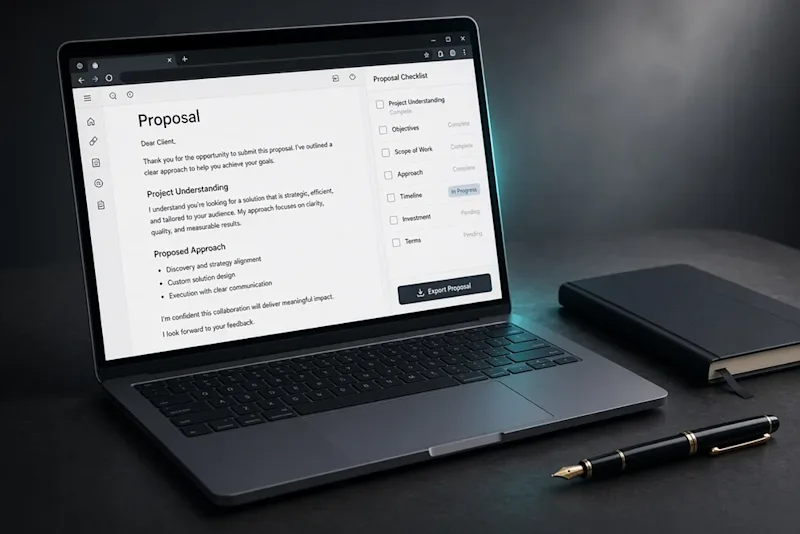
Send one proposal in a simple order: their outcome, your page list, price, time, one link, one question. Send a second only if it is a different client and still the same offer.
Then wait. Rewrite the profile if the views are empty. Do not fix silence by sending fifteen more copies. You will not learn whether the title is wrong, the portfolio is weak, or the price is off. Change one thing, then bid again on a new post that fits.
Keep a note of what you sent: job title, Connects spent, and whether they replied. After five proposals, you will see a pattern. After fifty unread copies, you will only see an empty Connects balance.
Keep a note while the account is new
Write the one-sentence offer on a sticky note or at the top of a doc. When a job tempts you, compare it to the sentence before you compare it to your mood. New accounts feel urgent because there are no reviews yet. Urgency is a bad editor. The profile and the first five proposals are the whole strategy for the month. Memberships and boosts can wait until a real client has answered.
Also decide what counts as a reply. A client who asks for a lower price is data. A client who asks you to start on Telegram is a no. Write both outcomes down so the next week is not a fresh argument with yourself.
What to skip in week one
Skip boosted bids, profile videos, and courses that promise a full calendar. Skip jobs that are really a whole startup on a landing-page budget. Skip copying a popular freelancer's overview word for word. Upwork's checks, and the clients, can tell.
Also skip arguing with yourself about niche for a month. You already picked one offer. The work now is to make the profile and the first proposal match it. When a contract is active, the next guide you need is how the milestone and messages work, not another beginner checklist.