Getting a job on Upwork as a beginner is a targeting problem first and a writing problem second. Clients hire freelancers who look relevant, easy to work with, and capable of delivering a specific outcome. Your job is to make that obvious in your profile and in every proposal. If you still need account setup and the full beginner workflow, use How to Use Upwork as a Beginner: A Step-by-Step Guide first.
If you came here looking for a shortcut that skips portfolio work, there is not one that lasts. The path below is the one that actually produces replies: proof, filters, tailored pitches, clear scope, then a contract on the platform.
What “getting a job” really means on Upwork
On Upwork, a job usually means:
You find a listing that matches your offer
You spend Connects to submit a proposal
The client shortlists and messages you
You agree on scope, price, and timeline
You start a contract (fixed-price or hourly)
Until step 5, you do not have a job. Treat interviews and “maybe later” messages as progress, not as income.
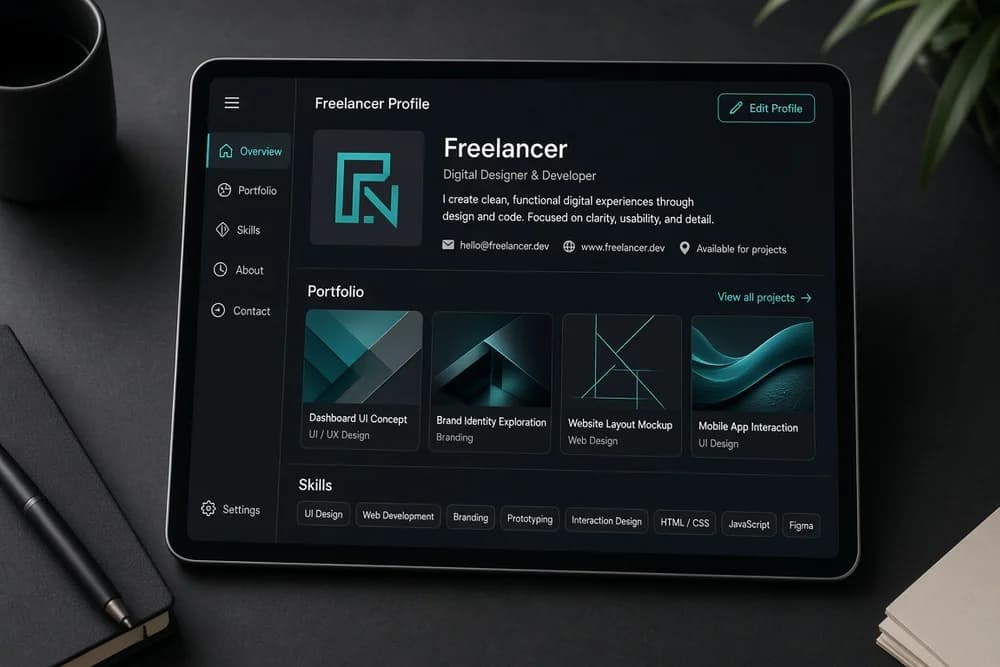
Step 1: Make your profile look hireable
Clients open your profile after (or while) reading your proposal. If the profile looks empty or confused, the pitch dies.
Minimum hireable profile:
Specific title (skill + outcome)
Overview that states who you help and what you deliver
3+ portfolio items with short context
Rates you can explain
Availability that matches how often you check messages
If you have no client work yet, create labeled samples: a redesign of a public page, a short case study on a practice brief, or before/after work you own the rights to. Honest samples beat fake “5 years experience” lines. For title, overview, and portfolio setup in more detail, see How to Create an Upwork Profile That Gets Noticed.
Step 2: Choose jobs you can win, not jobs that look impressive
Beginners lose Connects on senior-level posts, tiny budgets with huge scope, and vague “looking for a partner” listings.
Prefer jobs where:
The problem matches a sample you already have
The brief has enough detail to respond specifically
The budget can cover a real delivery (or the client is open to a scoped milestone)
You can start within the stated timeline
Skip jobs that demand free full-project samples, force you off-platform immediately, or describe five roles in one post.
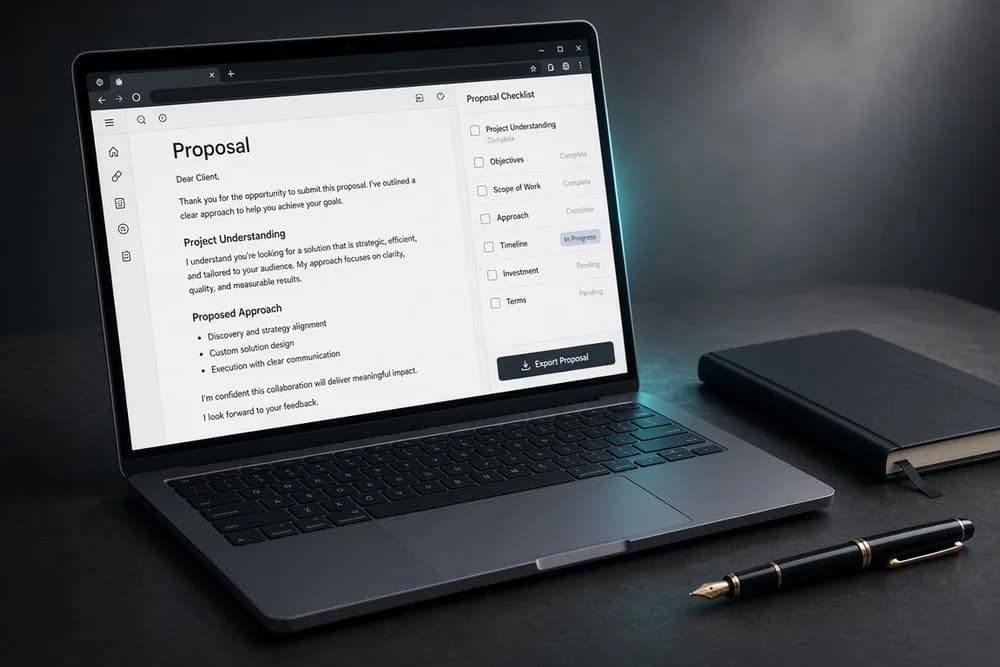
Step 3: Write proposals that answer the post
Your proposal has one job: earn a reply.
A reliable structure:
Hook tied to their brief - mention the goal or constraint they wrote
Approach - 2 to 4 sentences on how you would do the work
Proof - one relevant sample or portfolio piece
Practical next step - questions, a short call, or a milestone outline
What to cut:
“Dear Sir/Madam, I am writing to express…”
Long autobiography
Tool dumps with no connection to their problem
Identical templates with only the client name changed
Read the post twice. If you cannot point to one specific detail from it in your first two lines, you are not ready to apply. For opening lines, proof, pricing clarity, and what to cut, use How to Write an Upwork Proposal That Wins Jobs.
Step 4: Price for a win without trapping yourself
For a first job, competitive pricing can help if your proof is light. That does not mean accepting impossible scope.
Better approach:
Quote a clear package or milestone for a defined deliverable
State what is included and what counts as a revision
Offer a small paid discovery or first milestone if the brief is fuzzy
Avoid unpaid “test tasks” that equal the whole project
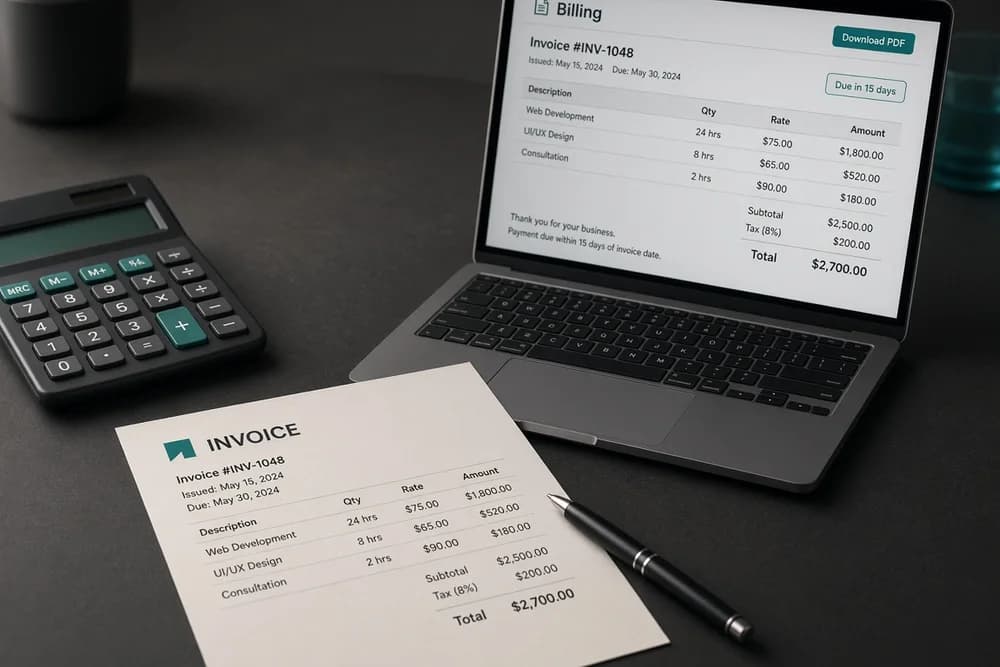
If the client’s budget is far below your floor, pass. Winning a job that costs you sleep and money is not a win. Remember that Connects and service fees also affect real take-home, so price with How Much Does Upwork Cost? Fees for Freelancers and Clients in mind.
Step 5: Convert replies into contracts
When a client messages you, move toward clarity fast.
Ask:
What does success look like for this project?
What assets, access, or feedback loops exist?
Who approves the work?
What is the hard deadline?
Then restate the scope in your own words and confirm price and timeline before the offer is sent. Keep the conversation on Upwork until the contract is active so payment protection applies.
If a client ghosts after a strong chat, follow up once with a short, useful note. Then move on. Chasing endlessly rarely helps.
Step 6: Deliver the first job like your next ten depend on it
They do. Early ratings and feedback change how often you get shortlisted later.
During the job:
Confirm kickoff details in writing
Deliver a draft early enough for feedback
Flag risks before the deadline, not after
Submit through Upwork and request feedback when the client is happy
Do not start large unpaid extras mid-project. If scope grows, add a milestone or adjust the contract.
A 14-day plan to get traction
Days 1 to 3: Finish profile, portfolio captions, payout setup, and one clear offer.
Days 4 to 10: Send 5 to 10 tailored proposals on active days. Track which job types get views and interviews.
Days 11 to 14: Improve weak spots (title, first proposal paragraph, sample selection). Reuse what earned replies. Cut what never did.
Consistency beats intensity. One focused hour daily usually outperforms a weekend binge of random applications.
Common reasons beginners stay stuck
Profile title is generic
Portfolio is missing or unrelated to applications
Proposals ignore the client’s actual request
Applying only to “easy” low-budget chaos posts
Expecting results after five total proposals
Leaving chats without a scoped offer
Fix the specific failure. Buying more Connects does not fix a vague offer.
Who this works for (and who it does not)
This approach works if you can deliver a concrete service and communicate clearly in writing. It works poorly if you need guaranteed full-time income immediately, or if you are still shopping for a skill to learn.
Upwork is a marketplace. Clients compare options. Your edge as a beginner is relevance, clarity, and reliability, not a perfect history. If Upwork still feels like the wrong sales model for what you sell, compare marketplaces in Which Freelance Platform Is Best for You? or the Pakistan-focused starter view in Best Freelancing Platform for Beginners in Pakistan.
Next step
Pick five open jobs that match one portfolio piece you already have. Write five short proposals that each reference a detail from the post and end with a clear next step. That batch teaches you more about getting a job on Upwork than another week of profile tweaking alone.