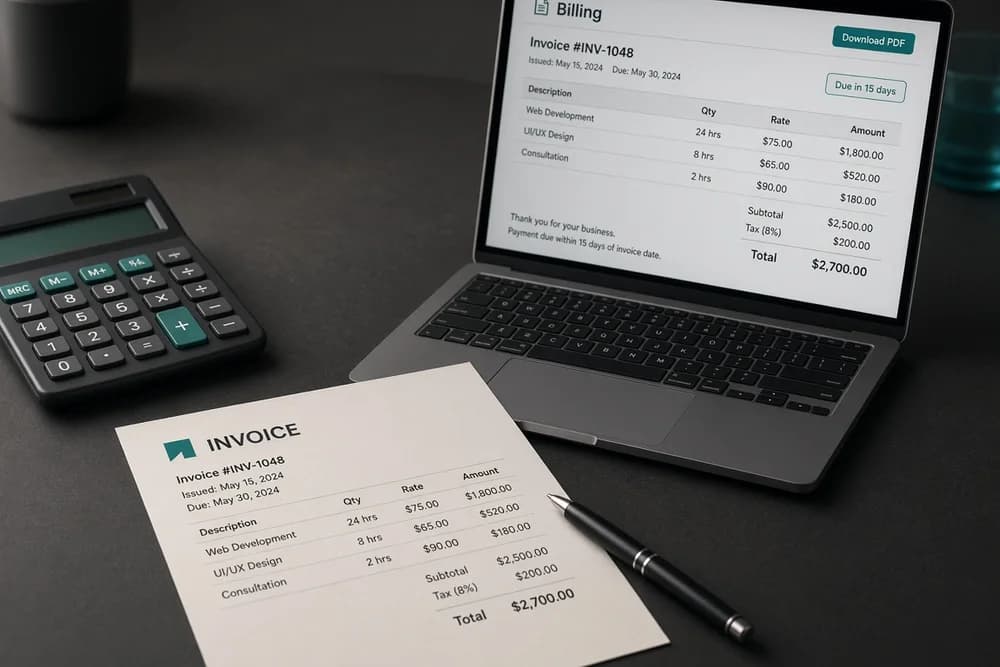

Many freelance marketplaces still run on the same model they used for nearly 20 years: find work, pay a cut, wait for payout. Commissions can reach 20%. Payments can sit in limbo. Rules around contractor rights are tight, and market access is limited. Uwerx (WERX) is a newer freelance platform that aims to change that mix. It uses blockchain, on-platform escrow, and a native token—and it targets a 1% commission. The Subscribe-style pitch is simple: keep more of what you earn and run the work with fewer middlemen.
What’s wrong with today’s gig platforms
Online freelance markets have multiplied. Their business models mostly have not. Common pain points:
High commissions (up to 20% in some cases)
Payment delays
Rigid rules on independent-contractor rights
Limited access to the market
Platforms often sell these controls as market health and anti-fraud measures. The argument here is blunter: they also box freelancers in and leave them with less independence. If that sounds like the job board you already use, the rest of this piece is about an alternative—and how to use any marketplace without wasting bids.
What Uwerx says it will do
Uwerx positions itself as freelancer-first, not another admin-heavy gig mill. Planned pieces include:
Management and productivity tools so you can deliver work with less friction
Specialized tools for specific kinds of work
A decentralized setup with the native WERX token
Escrow without a traditional intermediary
A target commission of 1% framed as possibly the lowest in the industry
The bet: fewer middlemen, faster (or at least clearer) money movement, and more control for the person doing the work.
Token, security, and who runs the platform
Uwerx’s builders point to extra security steps: an option to protect token liquidity as a show of confidence, and reviews by InterFi Organisation and SolidProof. The roadmap in the source material:
Parts of an alpha already public
A fuller alpha expected soon, so freelancers can start using it
A beta next
Governance shifting over time so users, not just the creators, hold more authority
The project has also drawn thousands of token purchasers and has been pitched as an investment with growth expected in 2023 and after. That is a separate question from whether the marketplace helps you land clients. Treat the token story and the job-getting story as two different decisions.
How the marketplace is supposed to work
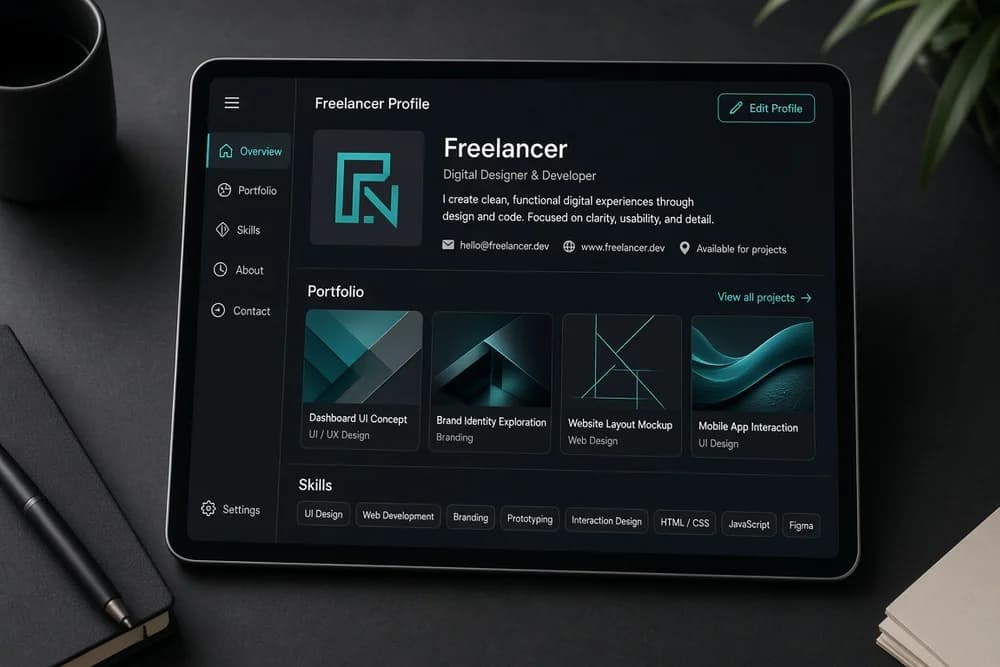
Uwerx is described as an all-in-one hub: clients and freelancers across fields in one place. The interface is meant to be simple enough that you can build a profile without a technical background. Online platforms already cover a wide range of work graphic design, writing, web development, digital marketing, and more. A multi-industry board is useful when you want one profile in front of more than one type of buyer. Claimed advantages:
What you want | What the platform claims |
Visibility | A profile that can reach clients in more regions |
Work mix | Projects across writing, design, programming, translation, and similar crafts |
Safer pay | Transactions stay on-platform to cut fraud and payment disputes |
None of that replaces a clear profile or finished work. It only changes the venue.
How to use a platform like this
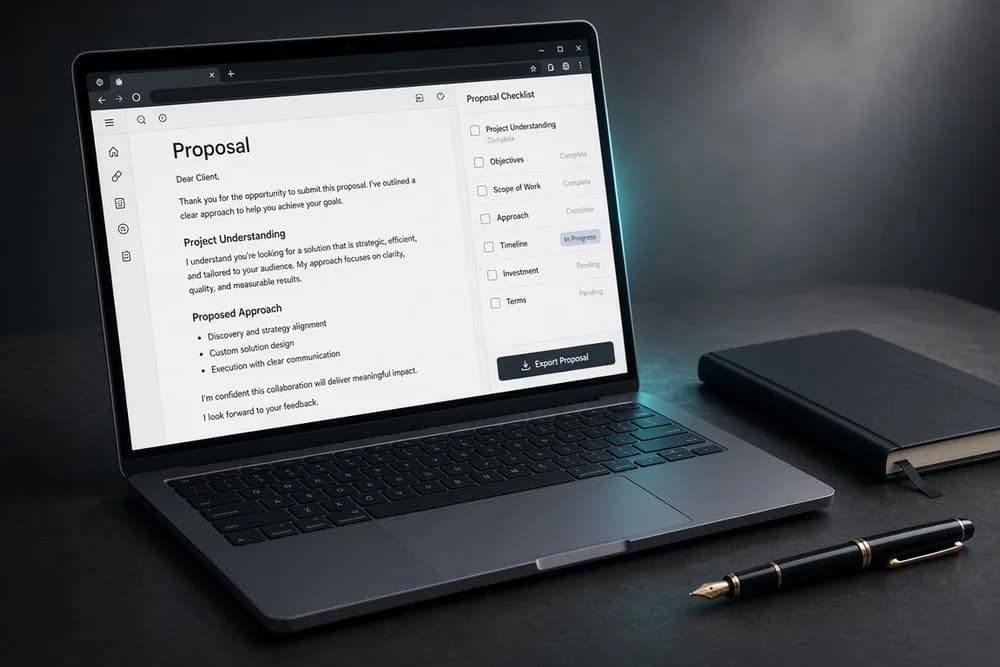
Build a profile that reads like a CV. Skills, experience, and samples. Skip vague slogans. Bid on work you can actually do. Competition is high. Scattershot proposals waste time. Match the brief. Ship work you’d stand behind. Reviews and repeat clients follow delivery, not the bid count. Do that on Uwerx or anywhere else. The fee model only matters if you also get hired.
Bottom line
If high commissions, slow payouts, and rigid marketplace rules are the problem, Uwerx’s pitch is a lower cut (aiming at 1%), blockchain escrow, and more freelancer control. Before you move your pipeline: check that the tools you need are live, that payouts work for your country and craft, and that you are not mixing a token purchase with a career plan. A strong profile and reliable delivery still do the heavy lifting.