
Freelancer is an online marketplace that matches freelancers with clients who need a specific job done. The short version of how it works: you create a profile, browse posted projects, bid with your price and timeline, agree on the details through the platform's messaging, deliver the work, and get paid through Freelancer once the client approves it.
Clients run the same loop from the other side. They post what they need, review bids and profiles, message a shortlist, hire, then approve and release payment on delivery.
What freelancing means here
Freelancers are self-employed professionals. They pick projects that fit their skills, set their own schedules, and work without a single long-term employer.
Platforms like Freelancer sit in the middle of that arrangement. They make it easier to find work, hire talent, agree on terms, and stay in touch until the job is done. You still run your own business. The platform handles the introduction, the message thread, and the payment step.
What freelancers get out of it
A wider pool of clients
Freelancer gives you access to clients across industries and locations, which raises your odds of finding projects that fit what you actually do. Some of that work is one-off. Some of it turns into longer-term arrangements with a client who keeps coming back.
The practical benefit is volume of opportunity. You are not limited to whoever happens to be hiring in your city this month.
A place to show proof of skill
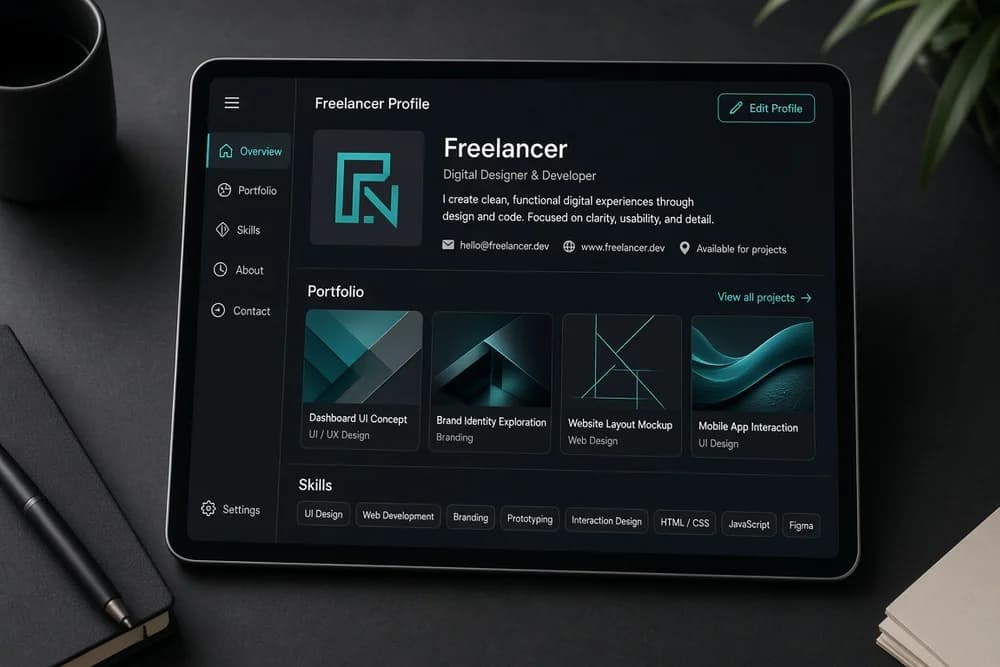
Your profile can carry your skills, experience, portfolio pieces, certifications, and client feedback. Clients scan that before they invite a bid or hire you, so it does most of the early convincing for you.
Ratings and reviews then build a public track record tied to completed work. Early on that record is thin, which is why small, well-finished jobs are worth more than they look.
Rates you set, and a payment step you can rely on
You set your rates and negotiate project details instead of accepting a fixed employer salary. That also means pricing is your job: quote for the scope in front of you, not for a generic hourly average.
The platform offers secure payment methods so you get paid when the agreed terms are met. Keep those terms written in the project thread rather than in a side conversation.
What clients get out of it
A shortlist instead of a guess
Clients can post what they need and review freelancer profiles to shortlist people with the right skills. Portfolios, skills, ratings, and reviews sit in one place, so you can compare candidates on evidence instead of promises.
One thread for the whole project
Messaging on Freelancer covers project details, feedback, and progress updates from kickoff through delivery. Keeping scope changes in that thread saves arguments later, because both sides can point to what was actually agreed.
How Freelancer works, step by step
1. Build your profile
List your skills, experience, portfolio, and any relevant certifications. Treat it like a storefront: it is what a client reads before deciding whether you are worth a reply.
Be specific about what you do well. A profile that claims everything gives a client no reason to pick you for the one thing they need.
2. Browse projects
Search open jobs and filter by skill, industry, or preference. Read the brief, the requirements, and the budget before you decide to bid.
Skip projects where the budget and the scope clearly do not match, or where the brief is too vague to price. Bidding on those costs you time you could spend on winnable work.
3. Submit a bid
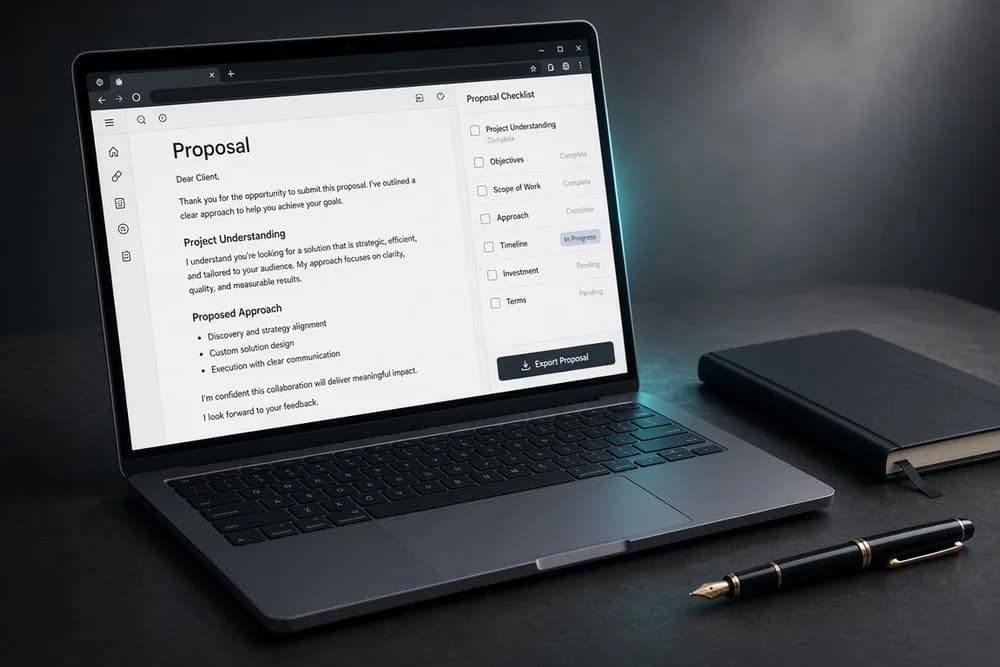
Send a proposal with your price, your timeline, and anything else the client needs in order to decide. Strong bids are specific to that project, not copy-paste templates.
A workable structure is short: confirm you understood the requirement, say how you would approach it, give the price and delivery date, then ask the one question that would change your estimate. That last question also shows you read the brief.
4. Communicate and agree on terms
Use the messaging tools to clarify scope, negotiate details, and lock expectations before you start serious work. Confirm what counts as finished, what is included, and how revisions are handled.
If the client adds work after that, treat it as a change to price or timeline rather than a favor. Doing it silently is how a profitable project turns into a loss.
5. Deliver and get paid
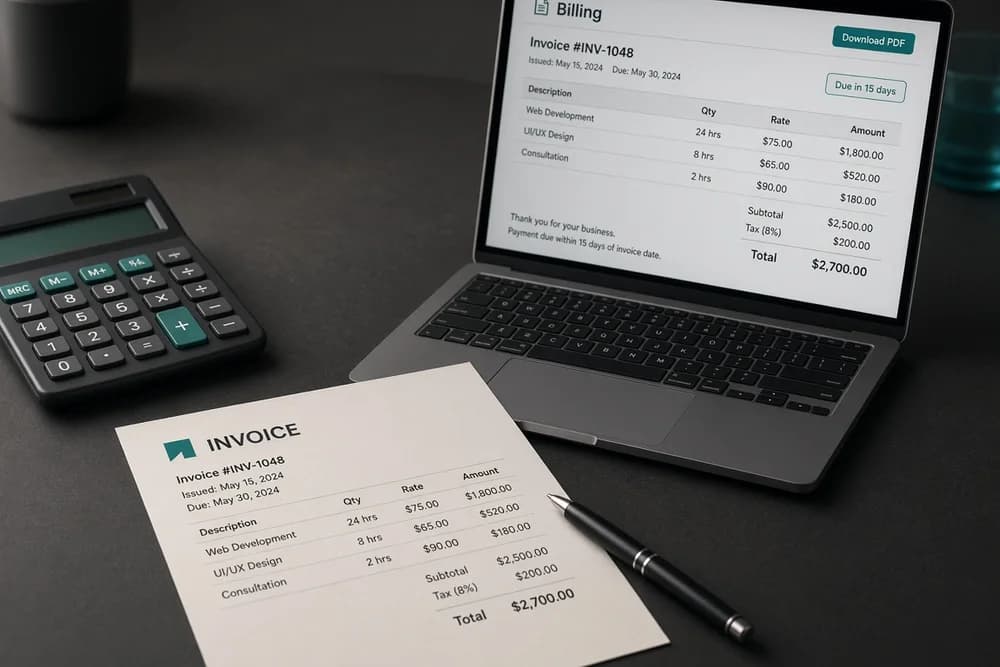
Submit the work through Freelancer. The client reviews it and, if satisfied, approves it. Payment then goes out under the agreed terms.
Deliver in a form the client can check quickly and note anything they need to do on their side. Approval usually slows down when the client is unsure what they are looking at.
Tips that actually help on Freelancer
Keep the profile professional and specific about the work you want more of.
Bid where your skills and interests match the brief, not everywhere at once.
Write personalized proposals that answer the client's stated requirements.
Reply quickly and keep updates clear from the first message to the last.
Deliver solid work on time so your ratings reflect reliability.
Ask satisfied clients for feedback so future clients have proof to read.
Mistakes that make the platform feel harder than it is
Sending the same proposal to twenty projects. It reads as reused, and it loses to the person who addressed the brief directly.
Competing only on price. A low bid with no reasoning gives a client no signal about quality, and it sets a rate you have to live with on the next project for the same client—one of the practical drawbacks of freelancing.
Starting work before scope is agreed. Without a clear definition of finished, review cycles stretch and payment waits with them.
Treating a thin profile as a fixed obstacle. Portfolio pieces, a clear specialization, and a few completed jobs with good feedback are all things you can change this month.
Where to start
Freelancer works best when you treat it like a marketplace rather than a job board: a clear pitch, selective bidding, and consistent delivery. Set up a credible profile, pick a small number of projects you can genuinely win, agree on scope in writing, and finish cleanly so payment and reviews follow.