
There is no single best freelance platform. The right choice depends on how you sell your work, how much competition you can handle, and how much payment protection and support matter to you.
Most freelancers end up comparing the same three marketplaces: Upwork, Fiverr, and Freelancer. Below is what each one is good for, where each one hurts you, and how to make the call without spending six months spread thin across all three.
What a solid freelance platform should offer
Before comparing brands, know what you are comparing them on. A useful platform connects freelancers with clients and makes the basics easy:
A steady stream of projects in your category, not just in general
Clear, secure payment terms
A rating and feedback system that clients actually trust
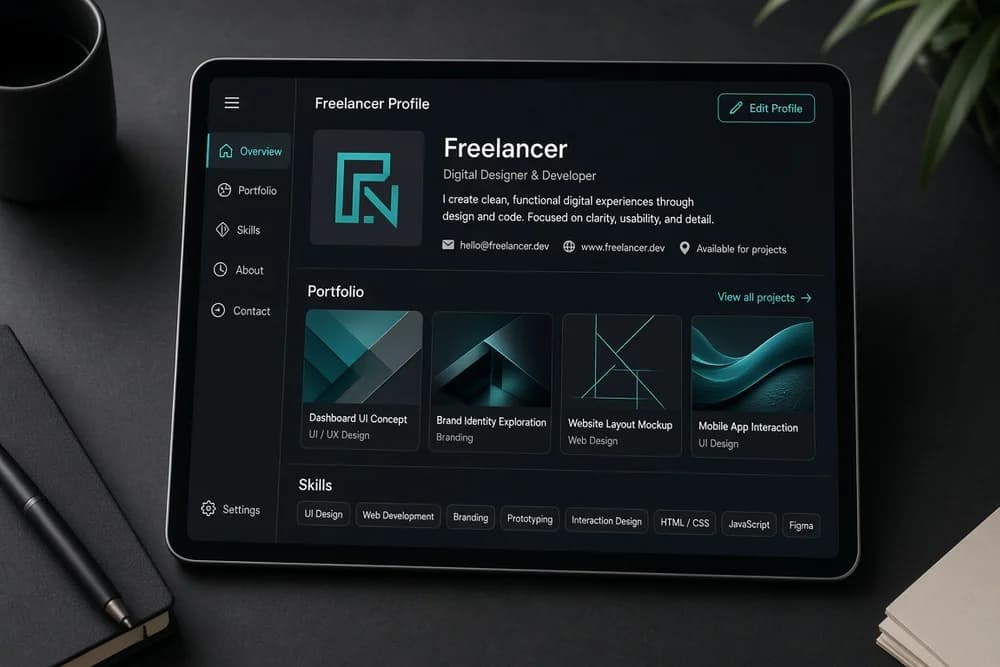
An interface you can use without fighting it
Support when a job goes sideways
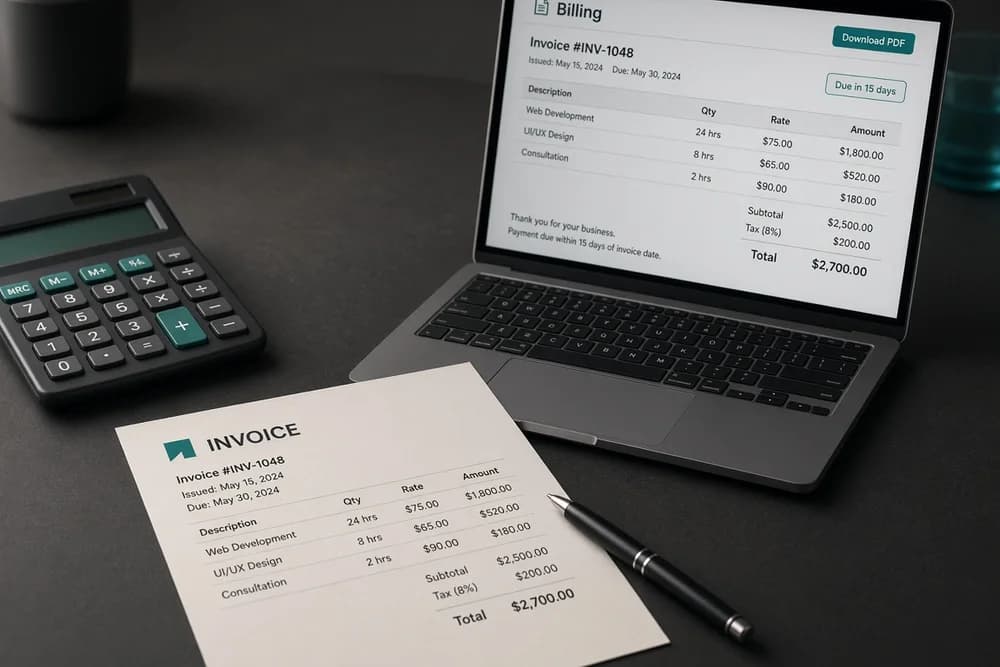
Payments and dispute help are the two that decide whether a bad month is survivable. If a site is weak on either, skip it, even if the project feed looks busy. A crowded feed is worth nothing if getting paid is a fight.
Upwork
Upwork is one of the largest freelance marketplaces and covers many types of work, from writing and design to development and consulting.
Pros
Large project pool across many sectors
Payment protection for completed work
Strong reputation with clients who want vetted freelancers
Cons
Heavy competition
Fees that can cut into your rate
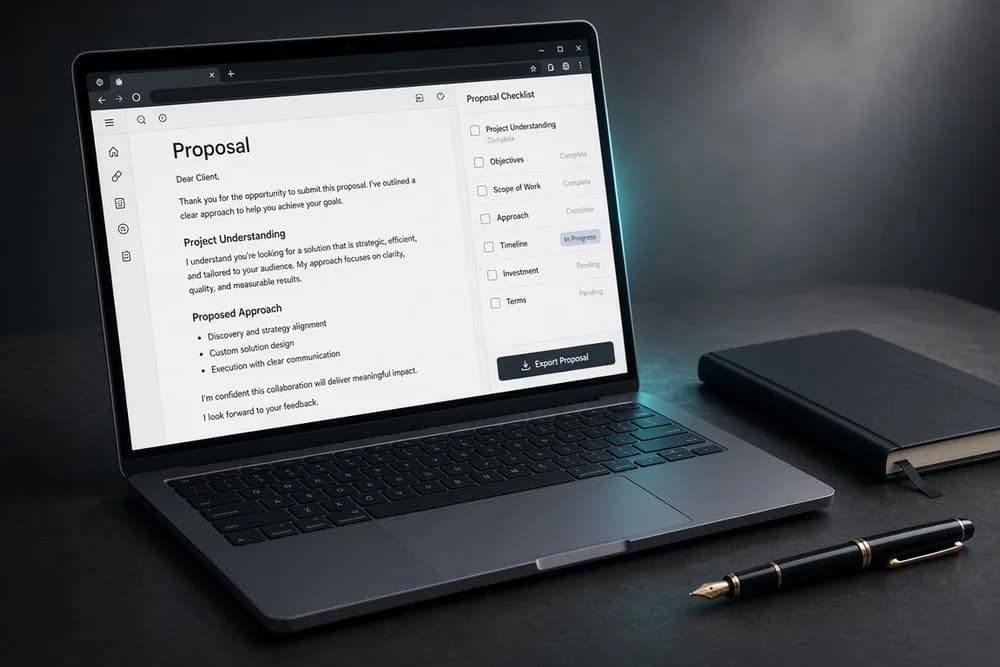
Upwork is proposal based, so your profile and your written pitch do most of the selling before a client ever talks to you. That rewards freelancers who can explain a solution clearly in a few paragraphs and punishes anyone sending the same generic message to every listing.
Choose Upwork if you want longer client relationships and proposal based work, and you can compete on profile quality rather than price.
Fiverr
On Fiverr, freelancers (sellers) list fixed services as gigs. Clients browse and buy, instead of posting a job and waiting for proposals to arrive.
Pros
Simple setup
You control how the offer is packaged and presented
Good fit if you sell clear, repeatable deliverables
Cons
Starting prices are often low
Crowded categories make it hard to stand out
The model changes the work you do to get work. Instead of writing proposals every day, you are refining a listing: what is included, how it is described, and what a buyer sees first. That suits people who like productizing a service and dislike constant pitching.
The tradeoff is price pressure at the entry level. If your offer looks like everyone else's, the cheapest listing tends to win, so the scope and presentation of your package are what keep you out of that race.
Choose Fiverr if you sell packages such as logo packs, edits, or fixed scope builds, and you are willing to refine your gig listing until it converts.
Freelancer
Freelancer hosts a large volume of projects across many categories and includes contest style work alongside standard jobs.
Pros
Wide range of project types
Large user base
Contest projects if that format fits your craft
Cons
High fees
High competition, similar to Upwork
Contests are the real differentiator. You produce work up front and get paid only if you win, which is a poor deal for most service work but can pay off for designers and other creatives who can produce a strong concept quickly and reuse the effort in a portfolio.
Choose Freelancer if you want volume and variety, and you are comfortable bidding often.
Quick comparison
Platform | How you get work | Best fit | Main drawback |
Upwork | Proposals on posted jobs | Longer client relationships, contract work | Heavy competition and fees on your rate |
Fiverr | Clients buy a listed gig | Packaged, repeatable deliverables | Low starting prices, crowded categories |
Freelancer | Bidding, plus contests | Volume, variety, contest friendly work | High fees, high competition |
How to choose
Match the platform to your situation, not to brand hype.
Skills and offer type. Proposal and contract work fits Upwork or Freelancer. Packaged services fit Fiverr. This one factor eliminates at least one option for most people.
Competition. Bigger platforms mean more freelancers. Niche skills help. Generic offers get buried, whatever the platform.
Project mix. Check that your specific category has active jobs or gigs worth bidding on. Site wide volume tells you nothing about your corner of it.
Payment protection. Prefer platforms that hold funds and help with disputes. This matters most on your first jobs, when you have no track record and the least leverage.
Support and usability. If the site is confusing or support is weak, you will waste time you could spend on billable work.
Start with one, not three
A practical approach: pick one primary platform, set up a complete profile, and give it a fixed trial period. For example, 30 days of consistent proposals or gig updates. Add a second platform only after the first one produces leads or paid work.
Running three half finished profiles is the common beginner mistake. Ratings and feedback build per platform, so splitting your effort means starting from zero in three places at once instead of building trust in one.
Judge the trial on outcomes you can see: are clients responding, are gigs getting views, are proposals converting at all? If nothing moves, change the profile or the offer before you change the platform. A weak offer performs badly everywhere.
Bottom line
Upwork suits freelancers who want broader project work and payment protection. Fiverr suits freelancers who sell packaged gigs. Freelancer suits freelancers who want volume and contest options.
The best platform is the one that matches how you sell, protects your pay, and gives you enough demand to book work without burning out on empty proposals. Pick that one, commit to it for a set period, and expand later.