
Freelancing hands you control over projects, schedule, and rates. It also hands you income risk, benefits, and the whole business side of the job. That is the trade, and it is worth judging honestly before you hand in a resignation letter.
Here is the short version: freelance if you want autonomy and can absorb uneven income, self-promotion, and admin work. Stay employed if a predictable paycheck, benefits, and clearer boundaries matter more to you. If you are not sure, run freelancing as a side path until the tradeoffs feel workable.
The rest of this article breaks down both sides, then gives you four questions to answer before you decide.
Pros of freelancing
You set your hours and your location
You decide when you work and where you work from. That makes it easier to plan around personal commitments instead of fitting your life around a fixed 9-to-5.
The practical benefit is scheduling control: appointments, family time, and focused work blocks go where they actually work for you. The catch is that this only pays off if you defend those hours, which is covered further down.
You choose the work and set the price
You pick projects that match your skills and interests, and you set your own fees based on the work and what you deliver. Employment rarely gives you either lever.
That control cuts both ways. Choosing work means learning to say no to projects that do not fit, and setting fees means you own the outcome when you price too low. Both get easier once you can describe exactly what you deliver.
Variety builds skills and a portfolio
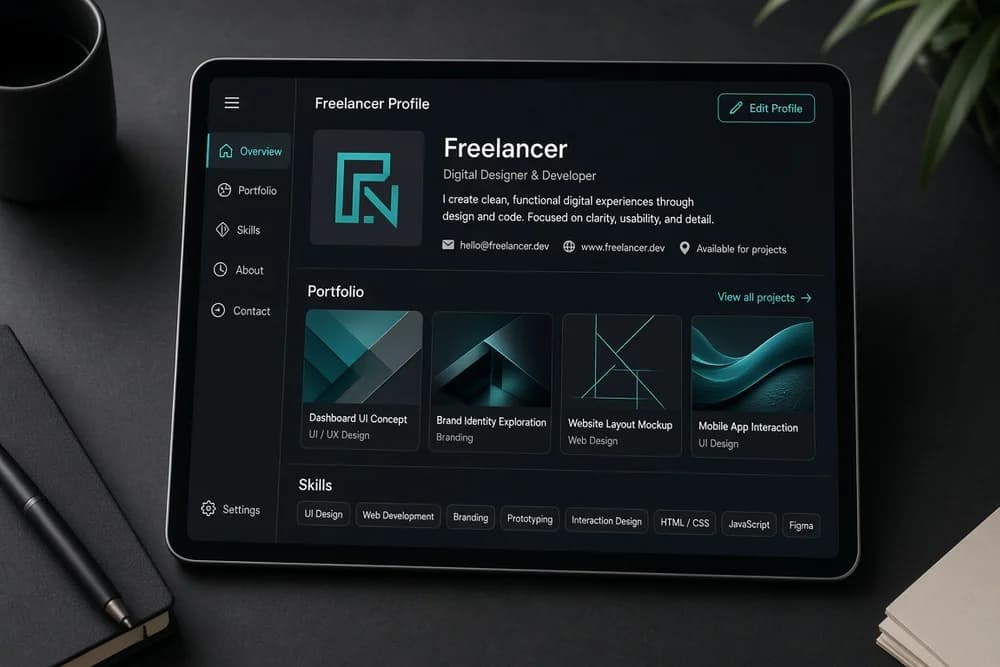
Different clients, industries, and assignments stretch you in ways a single job description usually does not. Each project can teach you something new, and finished work becomes proof for the next client.
If you are early in your career, this is one of the strongest arguments for client work. Your portfolio grows as a side effect of getting paid.
Day-to-day costs drop
Working from home or another remote spot cuts commuting, office clothes, and workday meals. None of those savings are dramatic on their own, but they add up over time and quietly raise what you keep from each invoice.
Cons of freelancing
Income arrives unevenly
Busy months and slow months are normal. The work does not stop being real during a quiet stretch; the money simply lands later or smaller.
Without a plan for lean periods, that swing turns into financial stress fast. Freelancers who last usually build a cash buffer sized to their slowest months and treat it as part of the business, not spare money.
Benefits are yours to fund
Health insurance, retirement plans, and paid vacation usually are not part of client work. You fund and manage all of it yourself.
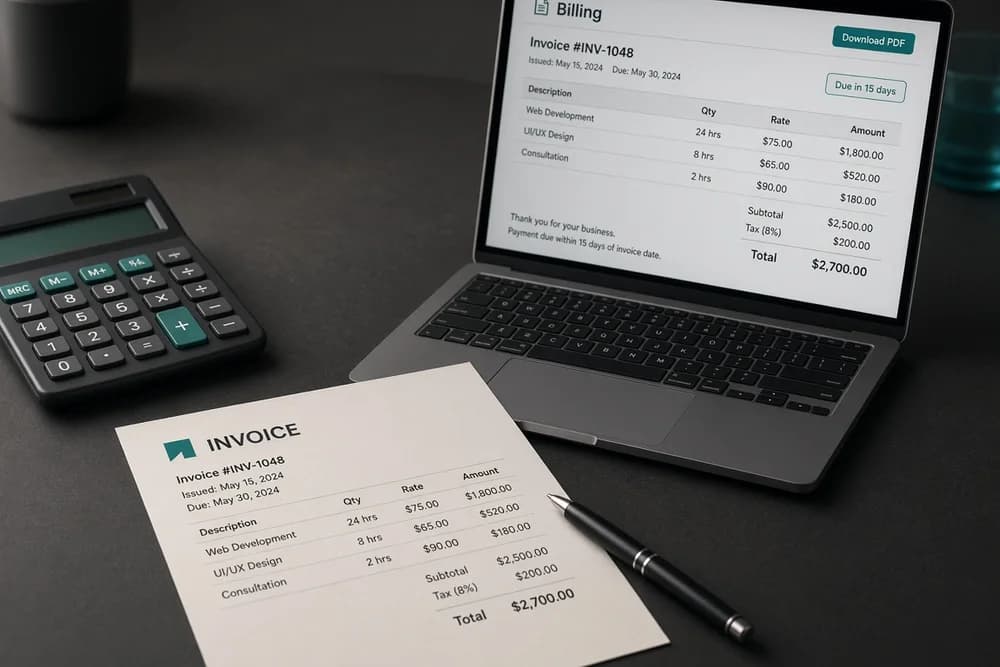
This matters when you set rates. A freelance rate that looks higher than a salary can end up lower once insurance, retirement contributions, and unpaid time off come out of it.
Solo work can get quiet
If you get energy from a team, working alone can feel flat. Casual social contact does not happen by default once there is no office around you.
The fix is deliberate rather than automatic: you have to build regular contact with other people into your week.
You run the whole business
You are the sales pipeline, the invoicing desk, and the person handling taxes. Client acquisition plus admin can feel heavy next to the craft work you actually wanted to do.
Plan for it instead of resenting it. Chasing clients, sending invoices, and keeping tax records are recurring tasks, not one-time setup, and they compete with billable hours every week.
Boundaries blur
Flexibility does not automatically produce balance. When the office is always open, nights and weekends get absorbed easily, especially during a busy stretch or right after a slow one.
Is freelancing a fit for you? Four questions
Answer these honestly. They map directly to what the work demands.
Are you self-driven?
No manager tracks your progress. Deadlines and output sit with you, including on days when nobody would notice if you did nothing.
Can you handle uncertainty?
Control comes with variable income. If a steady paycheck matters more to you than control over projects and rates, freelancing will feel like a bad trade no matter how good you are at the work.
Will you market yourself?
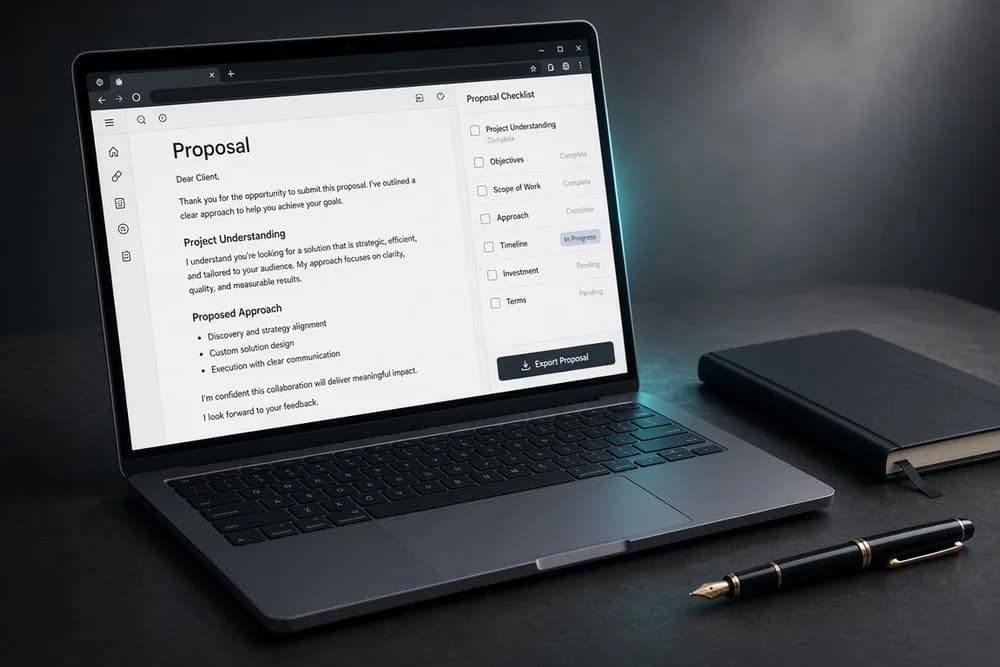
Steady work usually means promoting your services, building a brand, and finding clients. If self-promotion feels off-limits to you, treat that as a real obstacle rather than a detail you will figure out later.
Can you manage money?
Variable income needs intentional budgeting. That means planning for slow months, setting money aside for taxes as payments come in, and thinking about retirement without an employer plan behind you.
What to have in place before you rely on freelance income
Use this as a short readiness list rather than a launch plan:
a cash buffer sized to your slow months
a habit of setting aside tax money from each payment
a decision about health insurance and retirement contributions
a simple invoicing routine you will actually follow
a repeatable way to find clients, not just referrals you hope arrive
working hours you defend, so flexibility does not become every evening
regular contact with other people if solo work drains you
Bottom line
Freelancing is a good deal if autonomy is what you want and you can carry income risk, self-promotion, and admin work along with it. If you would rather have a paycheck, benefits, and clearer separation between work and the rest of your life, staying employed is a legitimate answer, not a failure of ambition. And if you want the upside without betting your rent on it, start freelancing on the side and let the tradeoffs prove themselves first.