
Fiverr is an online marketplace that connects people who sell services with people who need them. Sellers list packages called gigs. Buyers browse those gigs, place an order, work with the seller through Fiverr messaging, and pay once the work is delivered and approved.
That single flow is the whole platform. Everything else, from how you price a gig to how you handle revisions, sits inside it.
What Fiverr actually is
Fiverr puts buyers and sellers in one place. Freelancers show what they can do, whether that is writing, graphic design, programming, or another service, by publishing gigs. Buyers filter those listings and buy the option that fits.
The platform is known for a simple interface and low entry pricing. Sellers can start packages at $5, which is what attracts buyers looking for affordable options. Final pricing still depends on how complex or how large the project is, so a $5 starting price is a doorway rather than a ceiling.
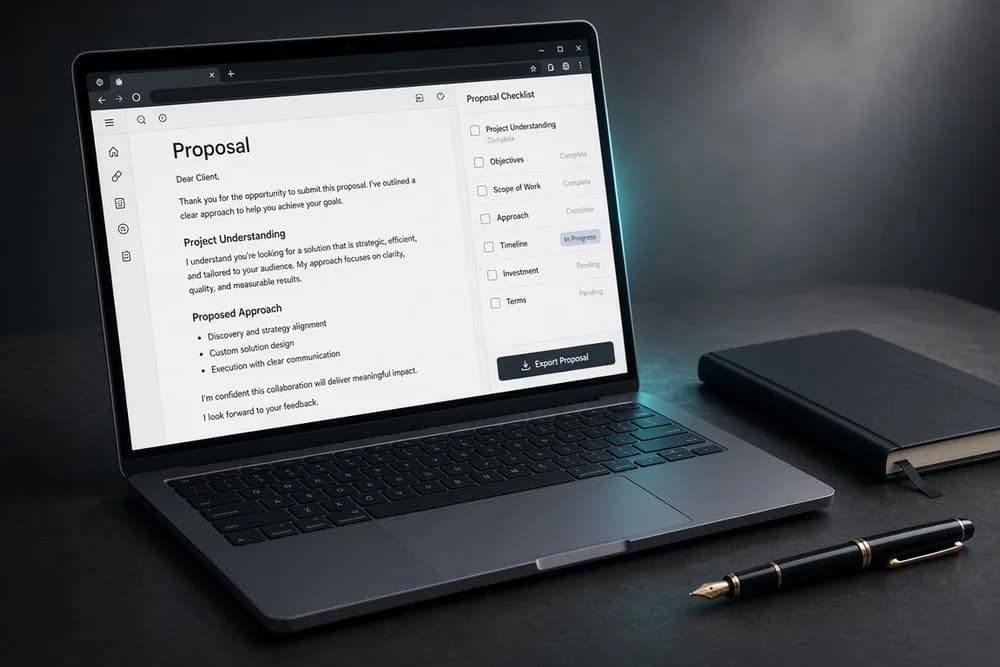
The practical difference from other freelance platforms is the direction of the transaction. You are not writing proposals for every job. You publish an offer and buyers come to it, which puts more weight on how clearly that offer is written.
How Fiverr fits into the gig economy
The gig economy is project-based work: temporary or freelance jobs instead of one fixed employer. As a beginning freelancer, you pick projects that match your skills and set your own schedule.
Fiverr is one marketplace inside that model. It gives sellers a place to display services and reach clients worldwide without building an audience first. The tradeoff is that you work within the platform's structure, its messaging, its order flow, and its payment process, rather than your own.
What sellers get out of it
Global exposure. A large user base means clients from many industries and locations can find your gigs, not just the ones near you.
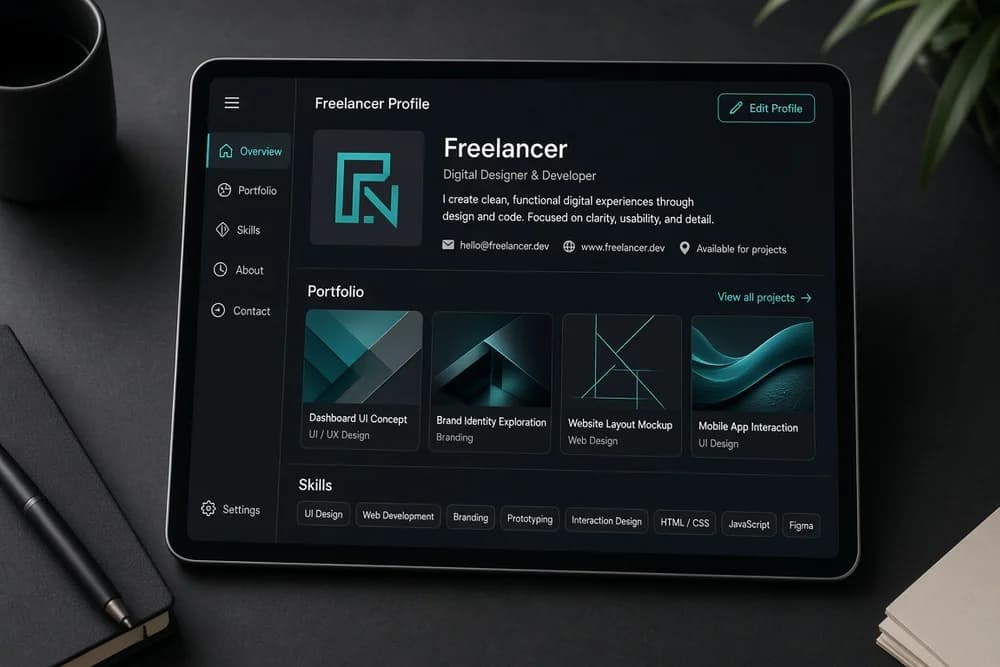
Control over the offer. You build a profile with your skills, experience, and portfolio samples, then price your own packages. Offering different gig options lets buyers pick the level of service they need instead of walking away when one price does not fit.
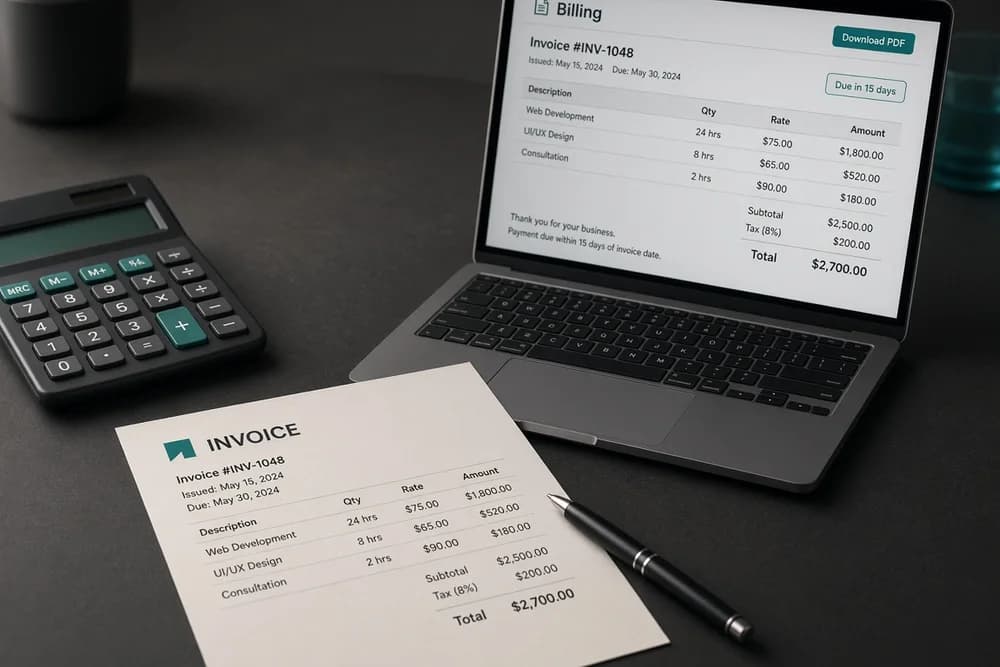
Payment handled by the platform. Fiverr manages payment so you get paid for completed work through its process, rather than chasing invoices yourself.
Reputation that compounds. Client ratings and reviews sit on your profile permanently. Each strong review makes the next sale a little easier, which is why early orders matter more than their price suggests.
What buyers get out of it
Talent in one search. You can find freelancers by service type, then compare portfolios, ratings, and reviews side by side before you spend anything.
Communication in one thread. Messaging keeps requirements, files, and progress updates together, so fewer details get lost between email, chat, and notes.
Payment after approval. Fiverr's payment flow is built so buyers release payment once the delivered work meets expectations, which lowers the risk of hiring someone new.
How Fiverr works, step by step
1. Create an account
Buyers and sellers both start the same way, with basic details such as name, email, and password. The account is the same; what changes is whether you publish gigs or buy them.
2. Browse or publish gigs
Buyers search by category, keyword, or seller name. Sellers publish gigs that spell out the service, the price, and the delivery time.
For sellers, this is the step that decides most of your results. A gig that clearly states what the buyer receives, and by when, does more work than any amount of activity elsewhere on the platform.
3. Place an order
A buyer picks a gig, chooses a package, and adds project details. Messaging the seller before ordering is worth the extra few minutes on anything non-standard, since it confirms scope while it is still easy to change.
4. Communicate during the job
Fiverr messaging holds updates, questions, and file sharing in one thread while the work is in progress. Keeping decisions in that thread rather than moving them elsewhere means both sides can check what was agreed.
5. Deliver, revise, and rate
The seller delivers through Fiverr. The buyer reviews the work and can request revisions if something misses the brief. Once satisfied, they leave a rating and feedback, which feeds back into the seller's profile for the next buyer.
Tips that actually move the needle
Make the profile show proof, not adjectives. State what you do and back it with samples of past work. Buyers scan for evidence before they read descriptions.
Niche down. A specific gig stands out in a crowded category in a way that a general one does not, and it makes your pricing easier to justify.
Write detailed gig descriptions. Say exactly what the buyer gets, so expectations are set before the order rather than argued after it. Vague descriptions cause most avoidable revisions.
Deliver on time. Meeting the deadline you promised is the part of the service you fully control, and it is the part buyers notice first.
Reply quickly and professionally. Fast, clear responses during an order reduce back and forth and make repeat work more likely.
Ask satisfied clients for ratings. Reputation is cumulative on Fiverr. Reviews you collect on small early orders keep paying off on later ones.
Is it worth using?
Fiverr works best when your gig is specific, your delivery is reliable, and your communication stays clear. Sellers who treat it as a shop window, with a sharp offer and consistent fulfillment, get more out of it than those who publish broad gigs and wait.
If you are starting out, list one clearly scoped gig instead of five vague ones, deliver it on time, and collect the review. That first cycle gives the next buyer a reason to choose you. It also lets you test the benefits and drawbacks of freelancing before relying on it as your main income.