
You can start earning online from a phone if you pick a niche, learn a usable skill, and take paid or reduced-hours work through a reliable company. That is faster to start than a regular job and easier to keep going when you travel.
A regular job costs time and money to maintain: commute, fixed hours, one location. Online work does not remove the work. It removes the fixed workplace. You can run it from wherever you have a phone and a connection, as long as you treat it like a small business: one offer, one account, then more work if the first source holds.
What online earnings means here
Online earnings is paid work you do through the internet instead of a fixed workplace. The point is not "easy money." It is work you can start, pause, and move without commuting.
If you expect taps to replace a salary overnight, you will quit. If you expect one clear offer and a schedule you can keep on a phone, you can build something that lasts.
Treat it like a small business:
Who already pays for this kind of help?
What can you deliver well enough to get paid again?
Where do those buyers already hire or buy?
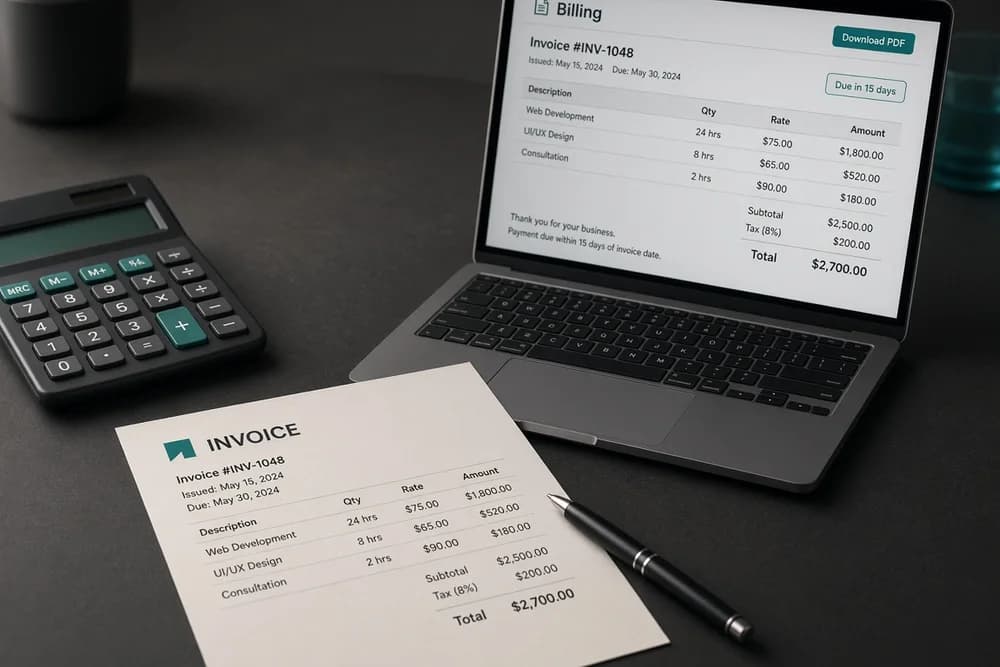
How will you get paid and keep records?
Answer those before you open five apps.
For a broader home-based path, see How to Earn Money Online From Home. For platform comparisons once you are ready to sell services, use Which Freelance Platform Is Best for You?.
Find a niche you can keep doing
Do not start with "make money." Start with a topic you already like or have wanted to work in. Then choose one way to earn from it.
Skip niches you would drop after a week. Stick with something you can repeat. Motivation fades. Repeatable work does not.
How to find one
Search the web for topics people already pay for
Read related threads on forums
Ask friends or family what they need help with
Ask people already in that field what work they get
Keep looking until you find work you would actually do again
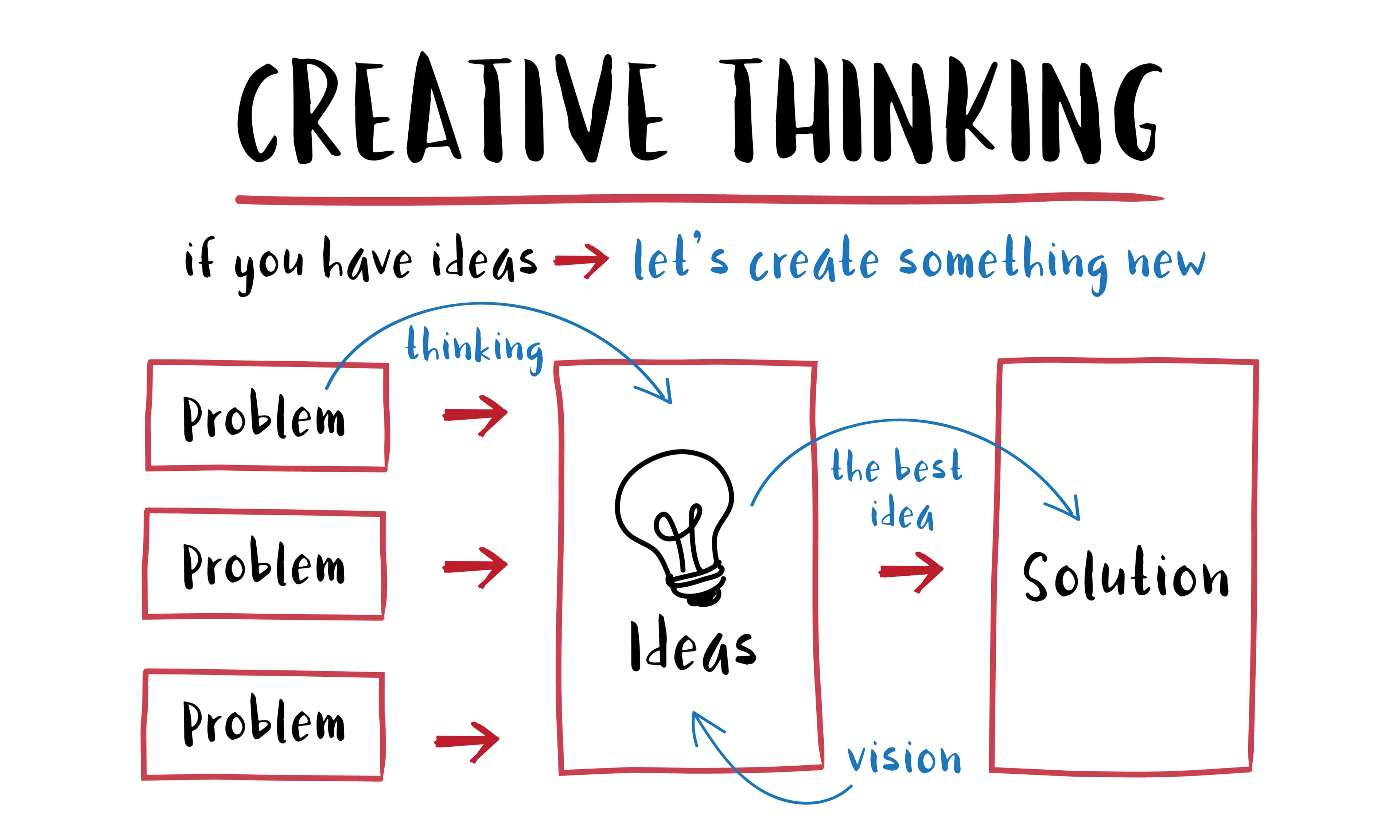
Once you have a niche, pick one method and run it. Do not collect five half-started ideas. Half-started ideas pay nothing.
Niche vs offer
A niche is the space (fitness creators, local shops, student writers). An offer is what you sell inside it (caption writing, product listing edits, weekly social posts). Buyers hire the offer. Start there.
Five ways to earn from your phone
Effort matters more than the device. Full-time hours produce more than occasional taps. You do not need college to start, but you do need a skill and a place that pays.
1. Learn a skill people pay for
Many online jobs expect skills such as SEO, digital marketing, writing, design edits, or customer support. Learn one well enough to deliver work.
After that, related jobs get easier to take. Do not jump from a new skill to titles like CEO or CFO. Take the work that matches what you can already do.
Phone-friendly skill examples that fit this article's path:
Short-form writing and editing
Social post drafting and scheduling
Basic SEO or listing cleanup
Light marketing support for small sites
Client chat or coordination when the job allows it
2. Use unpaid work only as an entry
Some people start unpaid. Some sites also make you complete work before they pay.
Use this only to get proof you can deliver. If there is no path to paid work, skip it. Free work with no portfolio output and no paid next step is a trap.
3. Take small paid gigs
Paid work can be modest at first. One example from this path: about $30 a month as a web editor for an online magazine.
That will not replace a salary. It can prove you can finish work on a phone and get paid for it. Small paid proof beats a large unpaid promise.
4. Look for reduced-hours jobs
Search employment services for low-cost or reduced-hours roles you can do remotely.
This fits if you want a lighter schedule, not a full-time load. Be clear with yourself about hours and pay before you accept. A "flexible" role that expects always-on replies can still own your day.
5. Do marketing work or client meetings
You can also earn through website marketing work, or through meetings with clients when the job needs them.
If the work can be done on a phone, keep it remote. Meet in person only when the client requires it. Protect your time: meetings without a paid outcome are another unpaid tax.
Where to find the work
Once you have an offer, put it where buyers already hire.
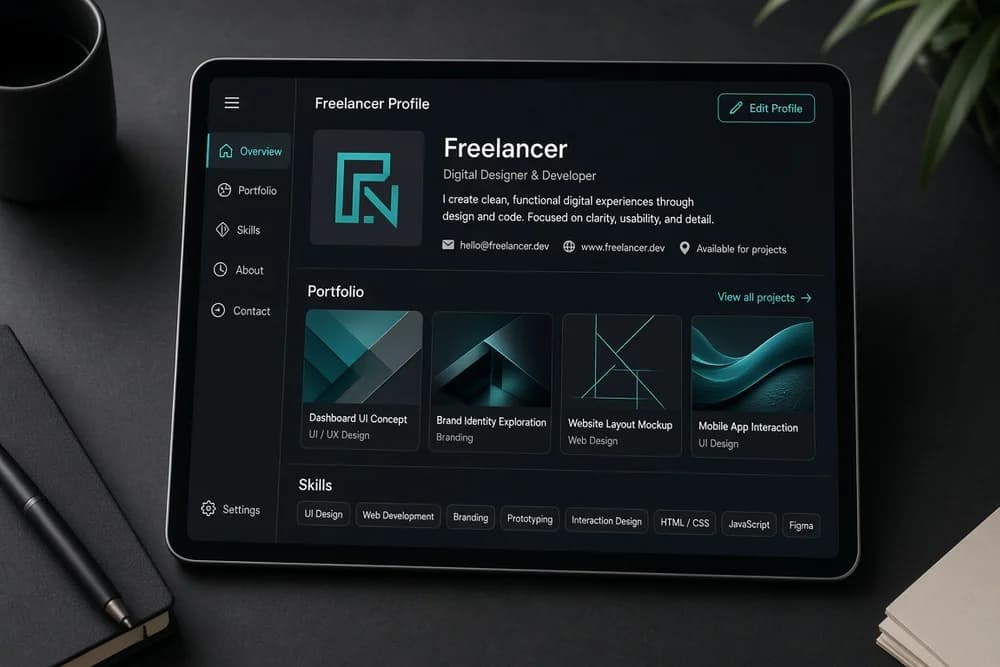
Marketplace profiles (Upwork, Fiverr, Freelancer, and similar) work when your gig is clear and your delivery is reliable. Learn how each platform runs before you spray proposals:
Direct outreach works when you already know who needs the help: local businesses, creators, small site owners. One clear message beats twenty vague ones.
Set up the work so it lasts
You need a steady source of income, not a pile of unused sign-ups.
Start with one account at a reliable company so you have somewhere to go if a job or payment fails. When that account is paying, add another. Do not spread the same unfinished work across many logins.
Keep the business online and check both new offers and older methods that still pay. New ideas appear often. The ones that last are the ones you can do on a schedule.
Practical operating rules
One primary offer for the first 30 days
One primary channel until it produces paid work
Deliver early on small jobs to unlock reviews or repeats
Track what you earn after fees, not before
Save payment screenshots and client briefs on a cloud drive you can open from the phone
If a platform or client is late, unclear, or asks you to move money off-platform in a shady way, stop. Reliability includes how you get paid.
A simple 30-day phone plan
Pick one niche and one offer you can deliver on a phone.
Spend one week learning or tightening that skill with practice pieces.
Open one account on a platform or contact five real buyers.
Take the smallest paid job you can finish well.
Ask for a review or a repeat only after you deliver.
Only then add a second channel or a second offer.
That sequence beats hopping between apps whenever motivation dips.
Closing takeaway
Earn from a phone by choosing work you can repeat, learning one paid skill, and running it through a reliable account. Small paid proof beats unpaid busywork. If you only change one thing this week, write a one-sentence offer and send it to five people who might actually pay for it.